About me.
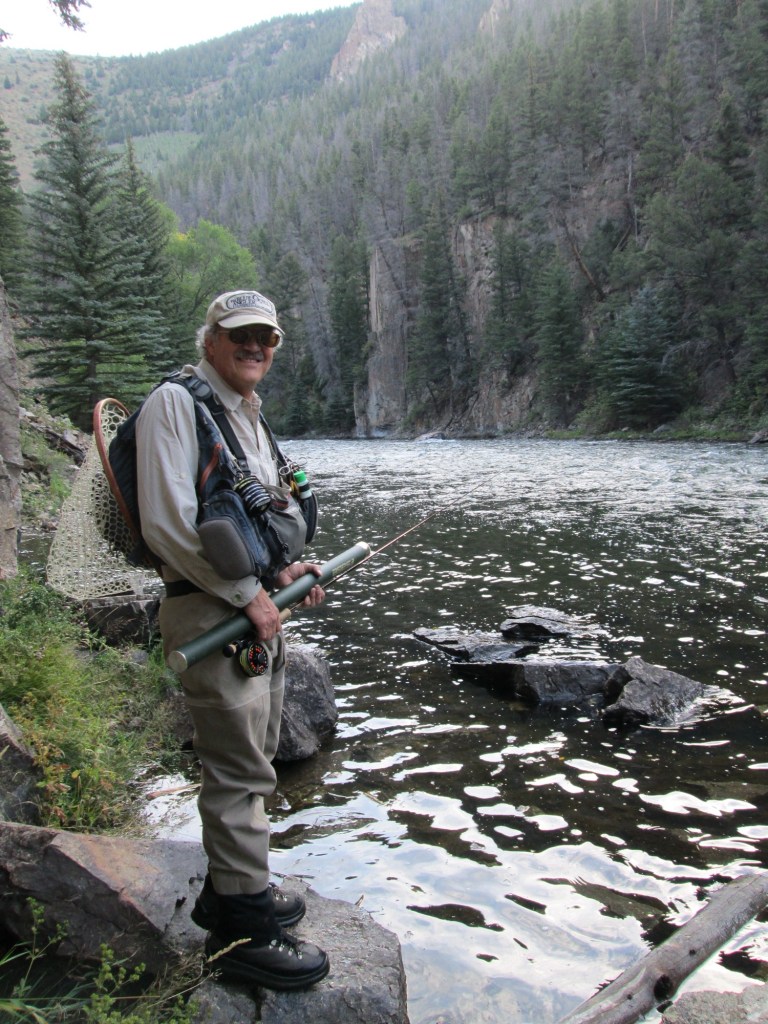
My wife Martha and I moved to Bradenton in 2017 after selling our fly shop of 30 years, the Blue Quill Angler in Evergreen CO. I came to Florida to be close to my mom who had lived here many years. While in Colorado I had the opportunity to fish some of the great trout streams in the west and although my responsibilities were mainly at the shop, I got to guide on some of Colorado’s Gold Medal streams including the South Platte, Colorado, Blue River, Williams Fork, and the Arkansas. Colorado is amazing and contains over 28,000 miles of trout streams and thousands of lakes.
I also taught fly fishing classes, casting instruction and fly tying. In 1993 I was certified by the Federation of Flyfishers International as a casting instructor. I have been able to introduce many anglers to the great sport of fly fishing. I continue to be involved in a great FFI club, the Mangrove Coast Fly Fishers that meets every 4th Wednesday at the Sarasota Garden Club at 7:00 pm. Come on out if you want to meet other fly anglers and learn more about Fly Fishing.
I am primarily a fly angler, but also am learning to use a spinning rod and bait caster.
I am currently working at Premier Tackle in Lakewood Ranch and can be reached by email at Jimccannonjr@gmail.com or call me at 720-331-6253 with any questions about fly fishing. I don’t know all the answers but can find out.
My Instagram page: JimCannon.saltyquill
I have a blog: SaltyQuill.com
My YouTube is: saltyquilljimcannon1711
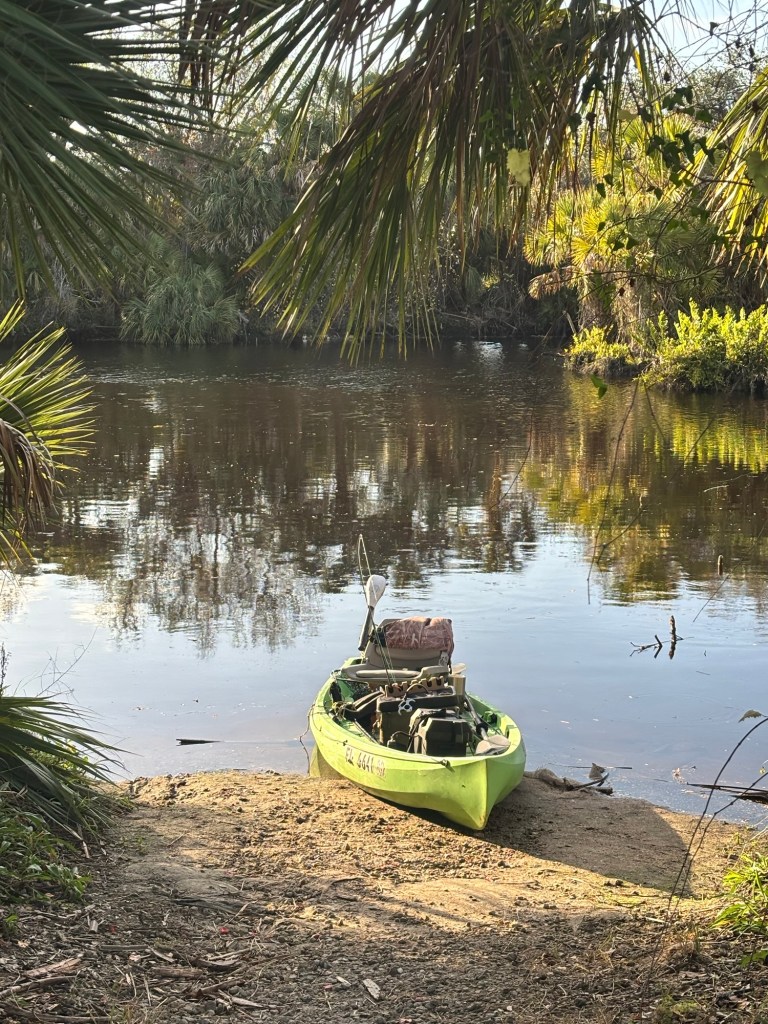
Even before moving to Florida I purchased a NuCanoe Fronteer12 Kayak. It is the widest and most stable kayak I could find.
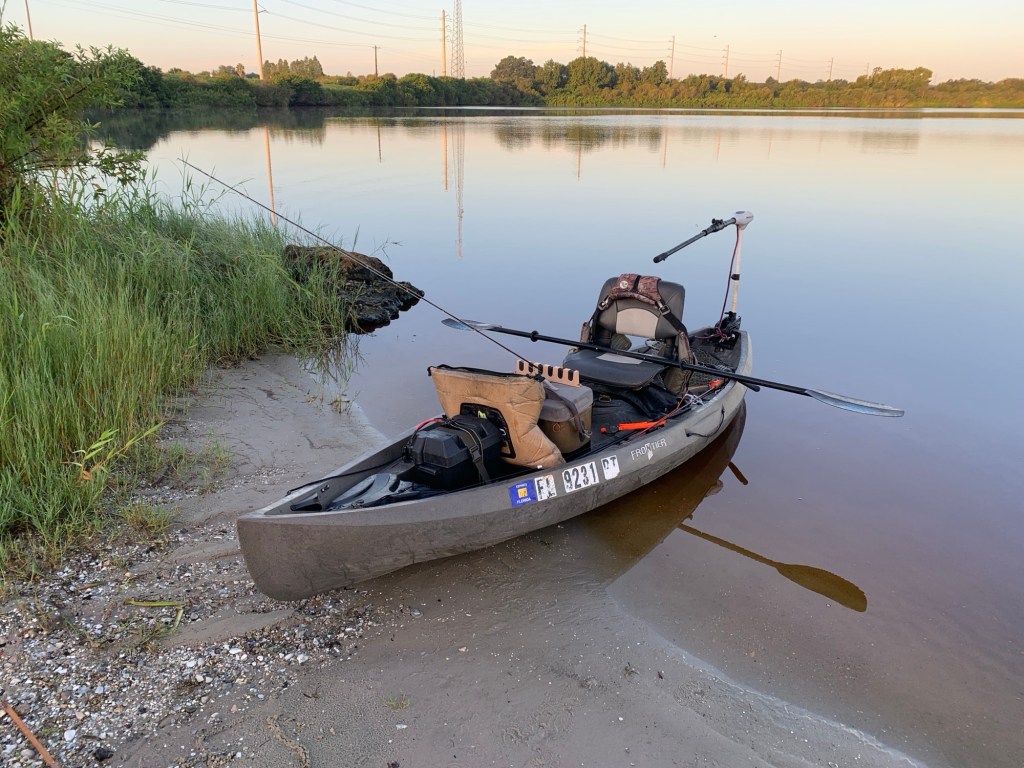
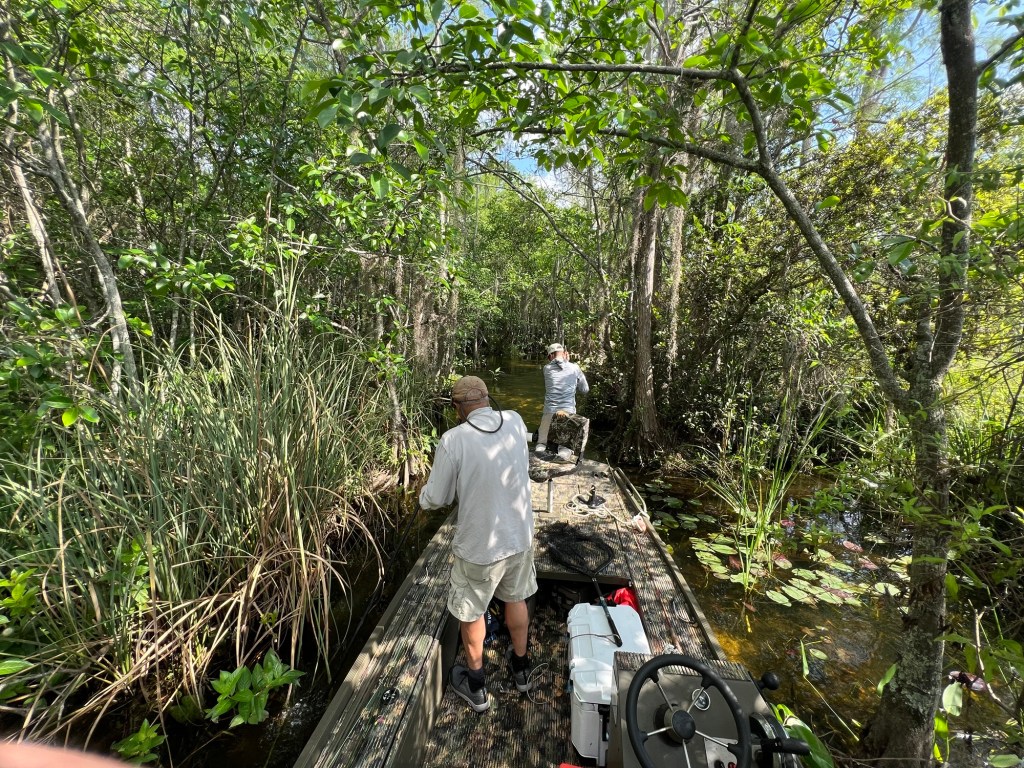
On my kayak I have a Minkota Riptide 45 trolling motor with a 100ah Battle Born lithium battery. My favorite areas to fish are out of the way places on local rivers such as the Braden, Manatee, Myakka, and Peace Rivers. I also love to fish South Tampa bay from Emerson Point east up to Cockroach Bay. These are places that have not yet been developed. I try to make it to the Everglades for Peacocks Bass, Snook, Baby Tarpon, Myan Ciclids, Oscar’s, etc. several times a year.
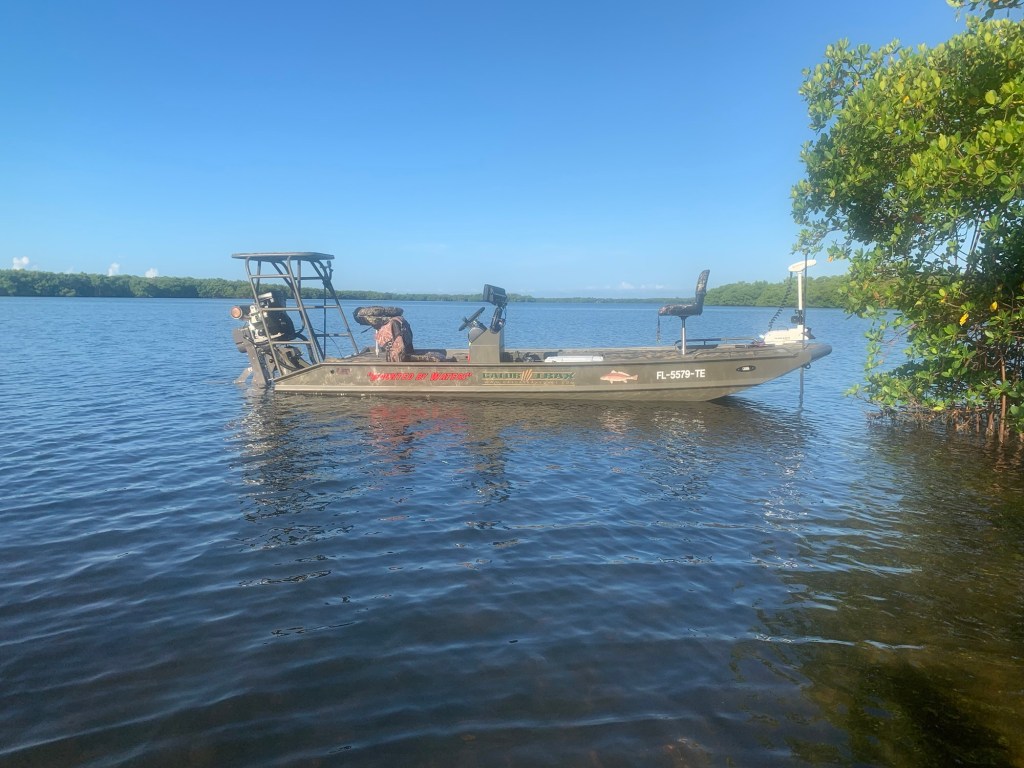
After a couple years in Bradenton I moved out to Myakka City. The red tide of 2018 got me very discouraged and depressed. I turned from fishing the grass flats and bays to the rivers. I also purchased a Gator Trax 1750 aluminum John Boat with a 40 horse Mud Buddy Motor that allows me to go up log infested rivers and rocky areas without having the motor ripped off the transit. These two boats get me into places where there are few followers. I fish primarily the Manatee, Myakka, Peace rivers and the Everglades.
So what is Fly Fishing and should I do it?
Fly fishing is a method of fishing that uses a fly line that has weight, a fly reel to hold the line, and a fly rod to deliver the fly to the fish. In spin fishing and bait casting the weight of the lure or a sinker in pulls the line off the reel when the cast is made.
In fly fishing the fly line has the weight. The fly rod, guided by the arm and hand, manipulates the line in the air to form a loop. On the end of the fly line is a clear, tapered leader and tippet to which the fly is attached. The fly at the end of the leader is pulled in the air by the fly line as the rod creates the loop. You could really define fly casting as forming a loop in the air.
The advantage to fly fishing is having the ability to cast an almost weightless, small fly up to 80 feet and beyond. Because the fly is almost weightless, it will enter the water with less disturbance, hopefully not spooking the fish as easily as other methods which require a weighted lure. The ultimate in flyfishing is sight fishing. First you must find the fish, making the cast, watching the fish eat the fly, strip set the hook, then playing it, netting it, perhaps taking a picture, and releasing it to fight again.

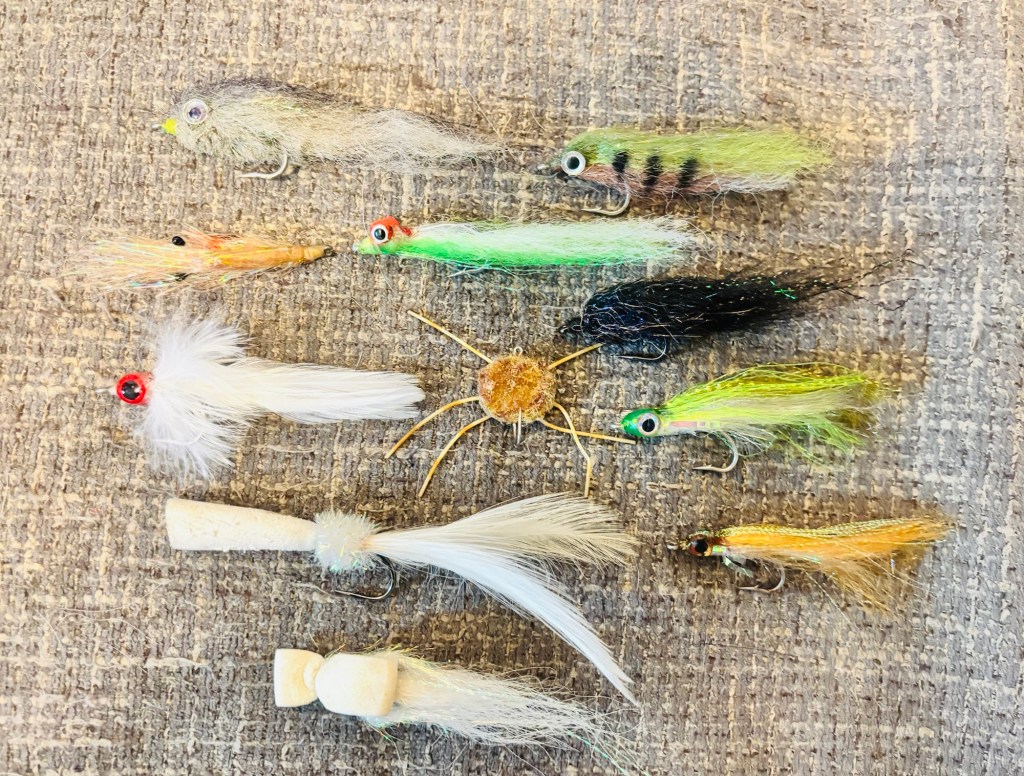
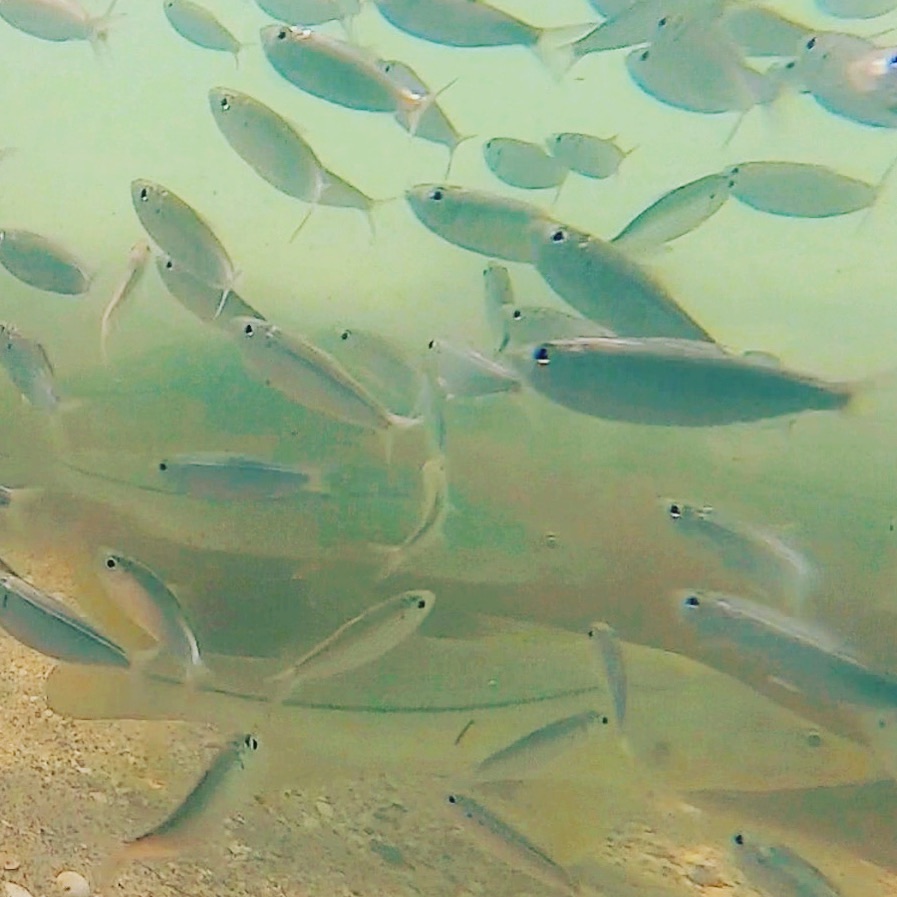
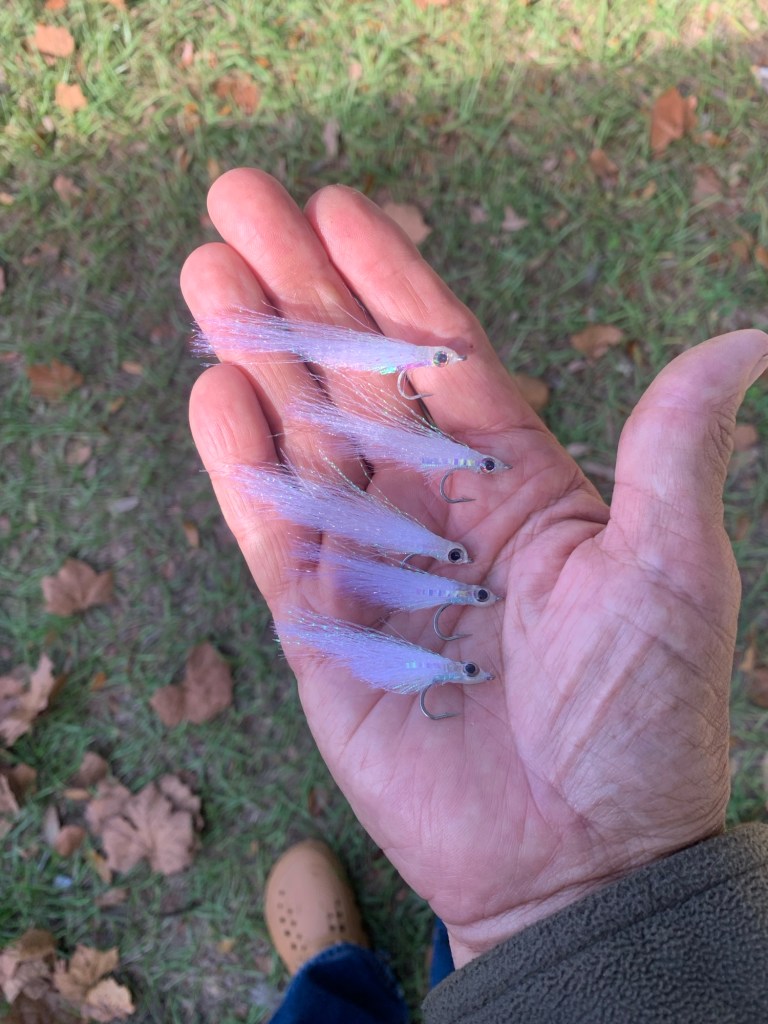
All of the predator inshore species of fish such as, Snook, Mackerel, Redfish, Tarpon, Jacks, Sea Trout, feed on the massive amount of baitfish such as Pilchards, Sardines, and Glass Minnows that are available in huge schools often call baitballs. These small baitfish are often in large groups in water 4 feet deep or less which make them ideal prey to imitate with a fly. Crabs and shrimp are also natural baits often imitated by hand tied flies.
It is commonly agreed upon that because fly rods are usually longer and have more flex to them, the feeling of fighting a fish is enhanced over other methods.
Learning to make the loop of the fly line in the air and presenting the fly accurately is a skill that brings great satisfaction, especially when you fool a fish on a fly you created, but it does take some instruction and practice.
In fly fishing we study the aquatic environment, learn the life cycles of the many interrelated species. We then creat imitations of those minnows, crabs, shrimp, or even vegetation the fish are feeding upon and try and fool the fish with a fly we have made. Again there is great satisfaction in tying the fly to imitate the bait, then delivering it to the fish and fooling it!!
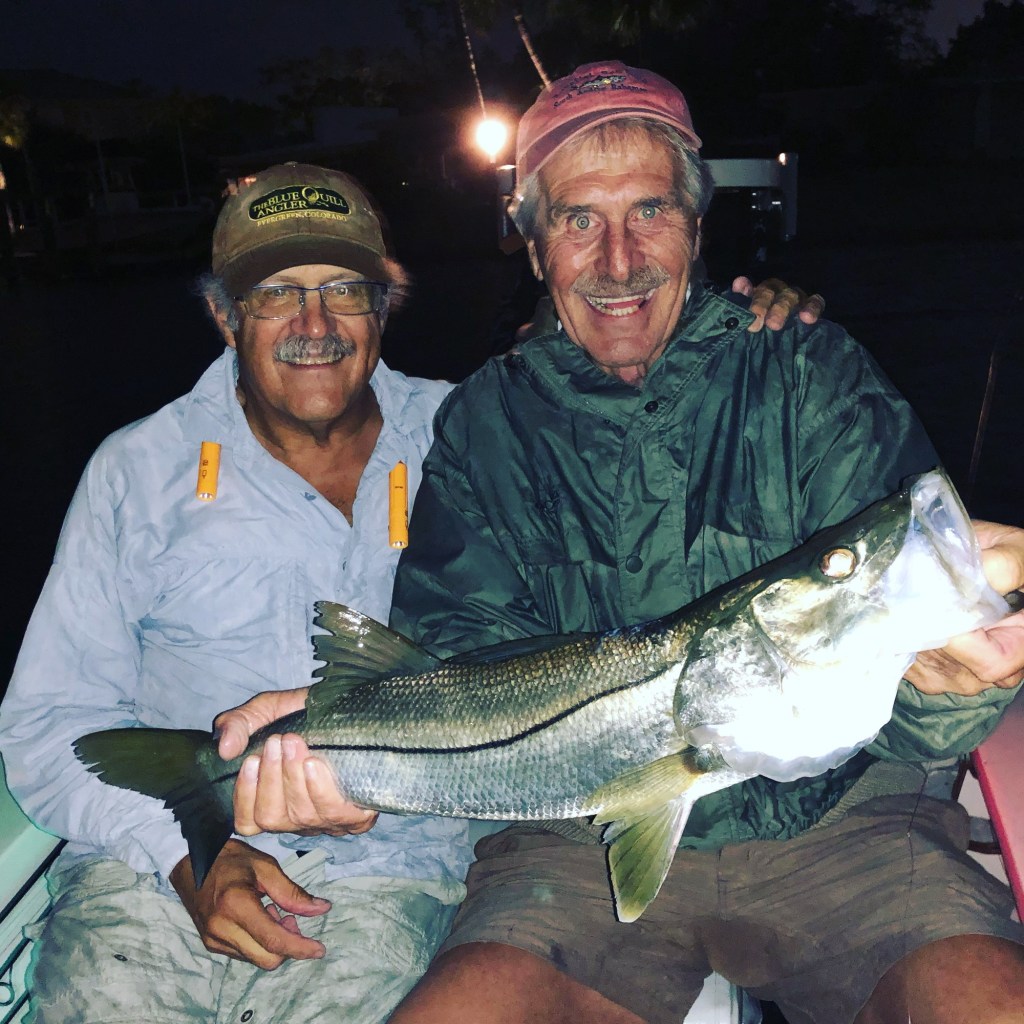
The fly fishing community has some great anglers with a high environmental concern and respect for the fish and nature. In your journey to master fly fishing, you will meet some other great anglers with common interests and develop long time friends.
Most fly anglers are active in conservation organizations such as The Everglades Foundation, Sun Coast Water Keepers, Captains for Clean Water, and the Coastal Concervation Association. Pick your club! You are needed!
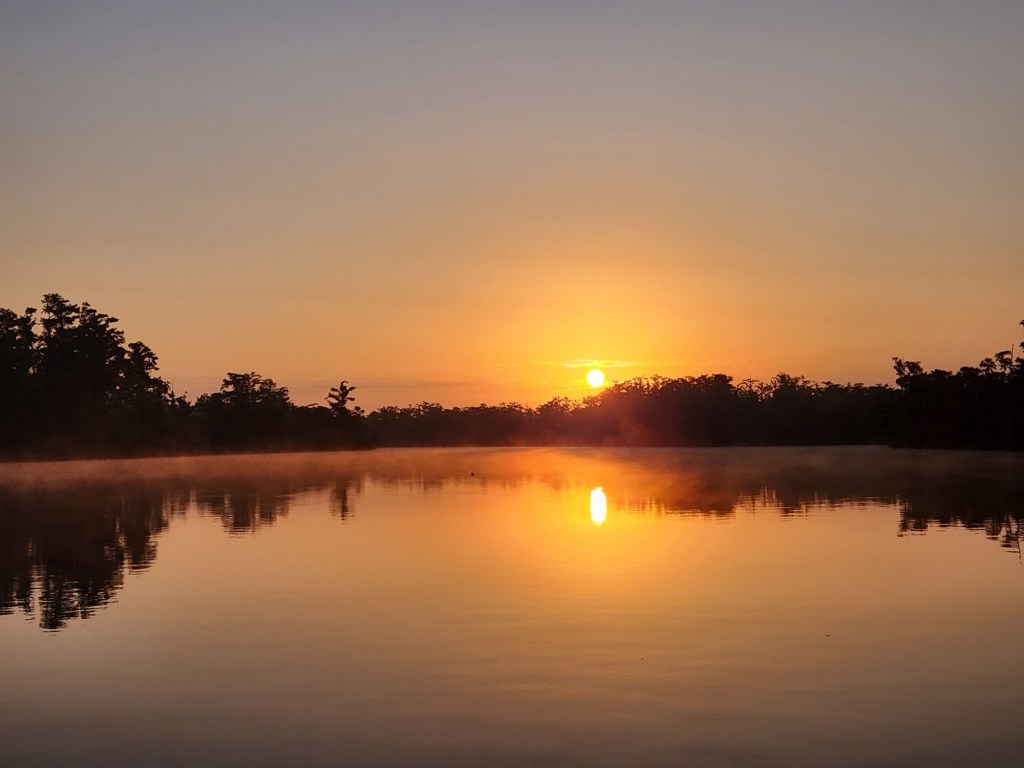
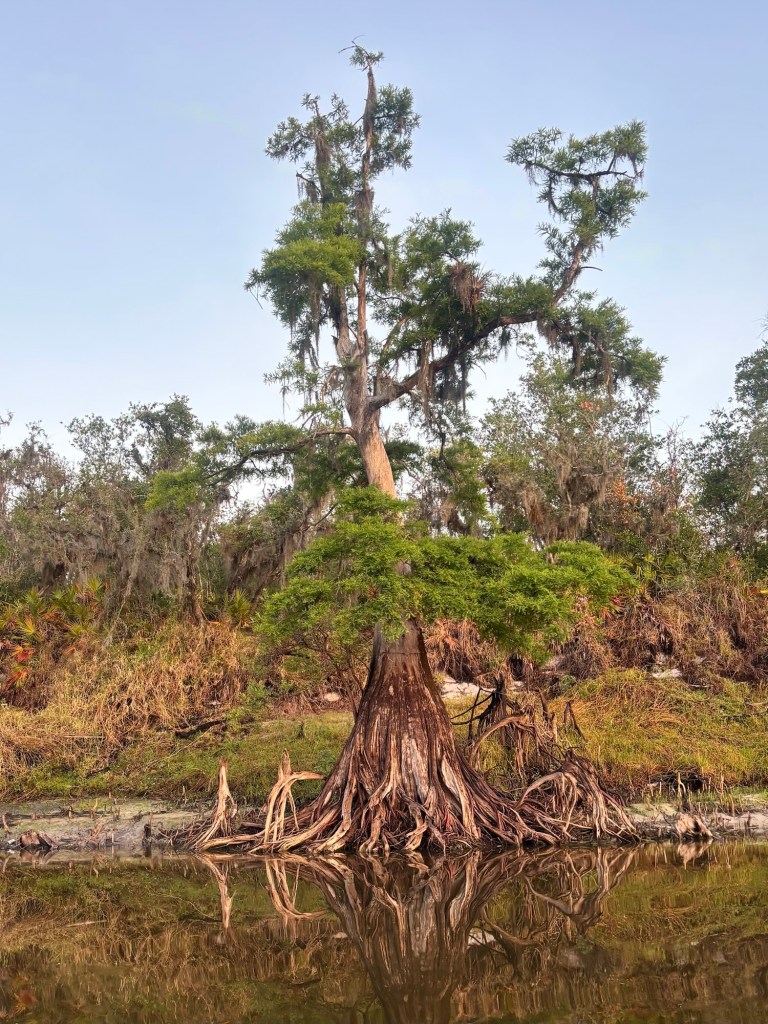
Flyfishing, as all types of fishing, bring you to most beautiful places.
Disadvantages of fly fishing.
You can’t cast the fly as far or as easy as spinning or bait casting. You also can’t cast a fly that weighs more than 1/4oz without risking a head strike!!
Although there are full sinking fly lines available, most of the in shore fishing with a fly is for fish in 1-4 feet of water. It’s harder to fish much deeper but it can be done with a full sink fly line or a sink tip line.
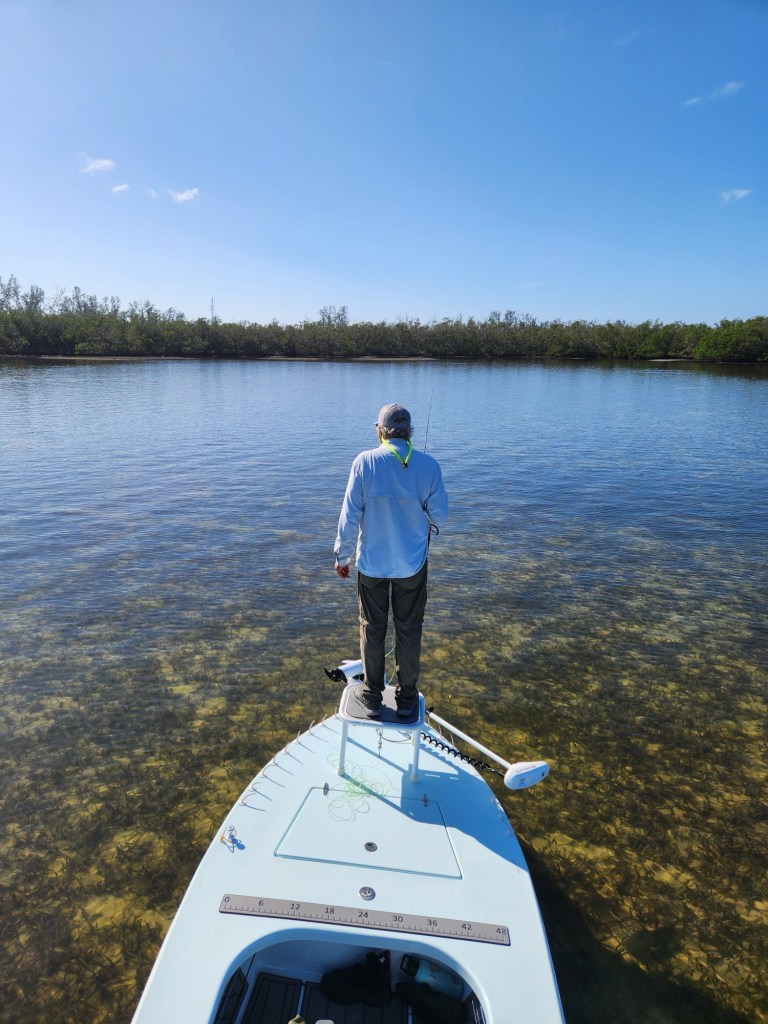
Learning to cast takes some study, time, and effort plus fly fishing gear. Because a back cast is needed in many fishing situations it is harder to fly fish in tight quarters. However this problem can be eliminated with a roll cast. .
Your buddy, while spin fishing or bait casting, or using bait will probably catch more fish than you do. Especially when you are first learning to flyfish. Not to worry though, they will often look upon your fly fishing prowess with respect and envy.
Salt Water Inshore Fly Fishing
My salt water fly fishing experience is limited to inshore fishing and within a couple miles of the beaches. I have never fished for blue water species with a fly. By inshore I mean fishing the beach, the inter-coastal bays and the numerous rivers and small streams and canals entering the bays. Many books have been written about fishing these areas. I am sharing just out of my experience in the past 9 years which covers fishing the beaches, fishing grass flats, fishing in and around mangroves, fishing brackish streams, kayak fishing, finding hidden lakes, sight fishing for Red fish, Juvenile Tarpon, Snook, Sea Trout, Jacks, Mackerels, Bluefish and Pompano. Ofcourse I also catch less desirable species such as Ladyfish, Lizardfish, Puffer Fish and the dreaded salt water cat fish. I have learned to give them all due respect! Fishing from the beaches, fishing the grass flats, mangrove areas and tidal streams are all very easily fished with the fly.
Fly Fishing gear for inshore Fishing
Fly Rods:
1-5 weights: for small freshwater pan fish like Blue Gill, Crappie, small Bass, Myan Ciclids, Oscars, Catfish, Tilapia, and Peacock Bass.
6-7 weights: for fishing grass flats for Sea Trout, Redfish, Snook, small Juvenile Tarpon, and the beach for Snook.
8 and 9 weights: For all around inshore salt water species including juvenile Tarpon, Redfish, Snook, Pompeno, Little Tunies, small Sharks, Mackerel, Sea Trout, Baracda, Bonefish, Permit, Jacks and any predator fish that will eat a fly.
10,11,12 weights: Adult Tarpon, big Snook, Sharks and Blue Water species.
Fly Reels: Match the reel size to the line it is designed to carry and then to the rod weight. Machined reels out of barstock aluminum with sealed drags are the best. Popular reels are from Sage, Orvis, Redington, Lamson, Hatch and Florida based companies like Nautilus and Tibor.
Fly Lines: Choose a line from Cortland, Rio, or Scientific Angler matching the rod and reel you are using.
For inshore I use primarily three line types, and always have two rods rigged up.
- Full floating fly line: I use a weight forward, tropical, salt water floating fly line for fishing top water flies like Gurglers and Poppers and when sight fishing for spooky fish in shallow water.
- Intermediate clear sinking line: I use this line with a short 3-5 foot level fluorocarbon leader when fishing the beaches, around mangroves, sandbars, and grass flats. It sinks very slowly at 1-2 inches per second. It’s perfect for water less than four feet deep, and keeps your fly line below the chop allowing you to keep in touch with your fly. For Snook and Juvenile Tarpon I use a 20lb tapered mono leader with a 30 lb Yozuri fluoro bite tippet.
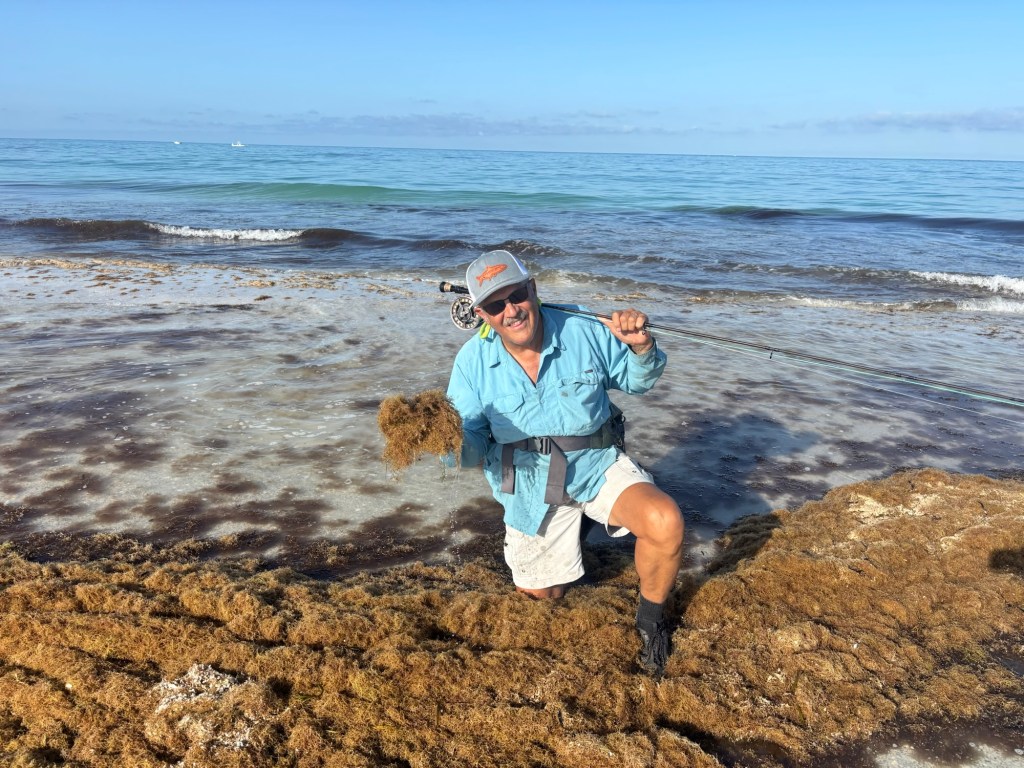
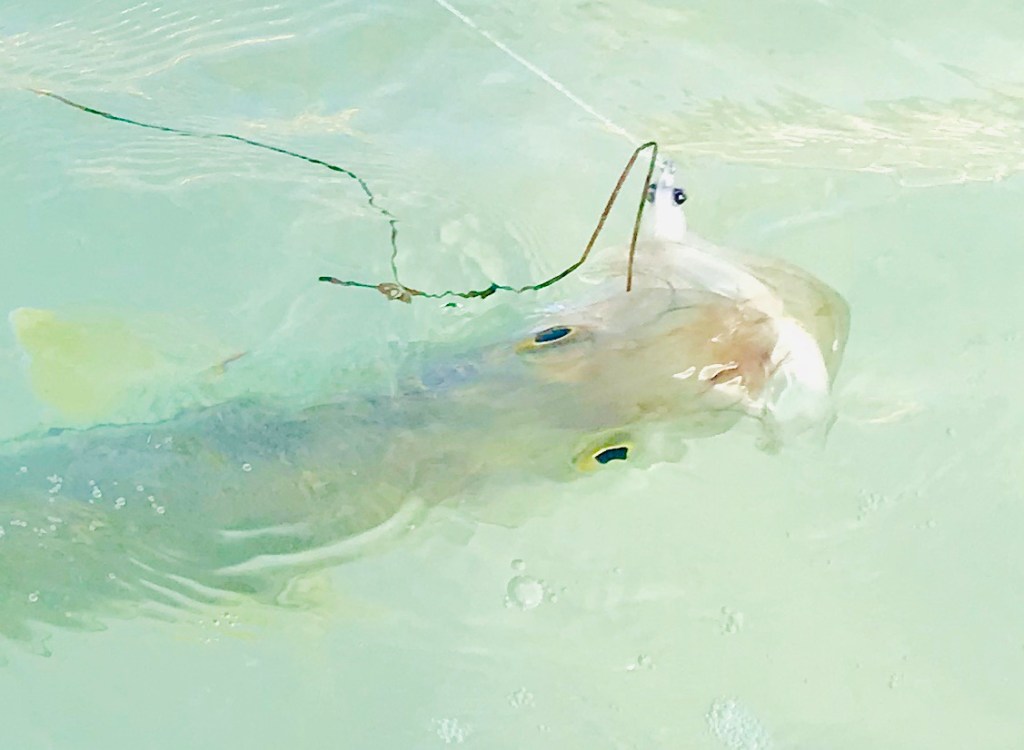
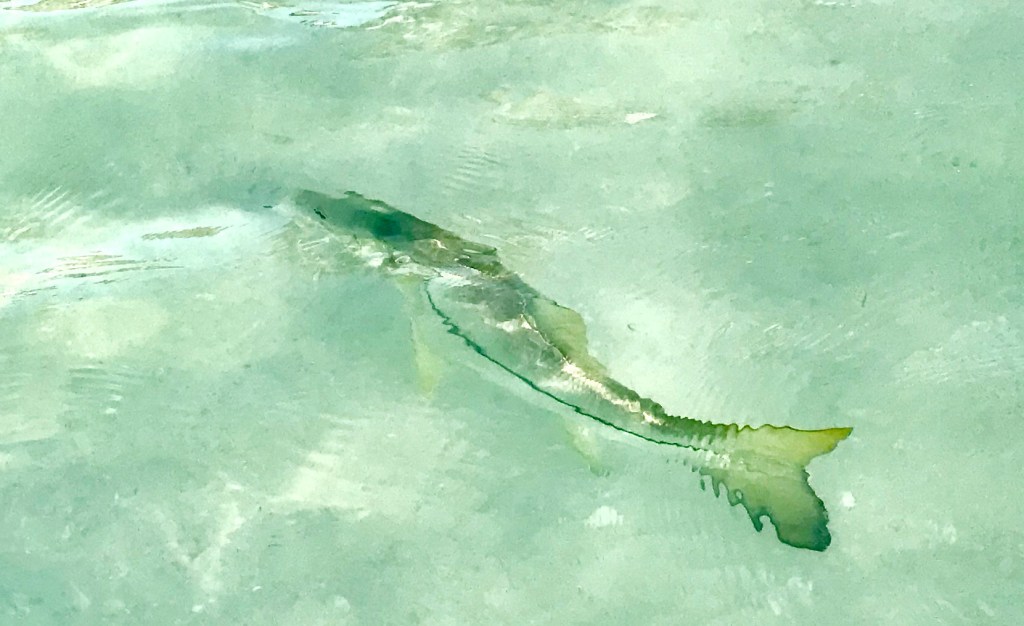
Beach fishing in the summer
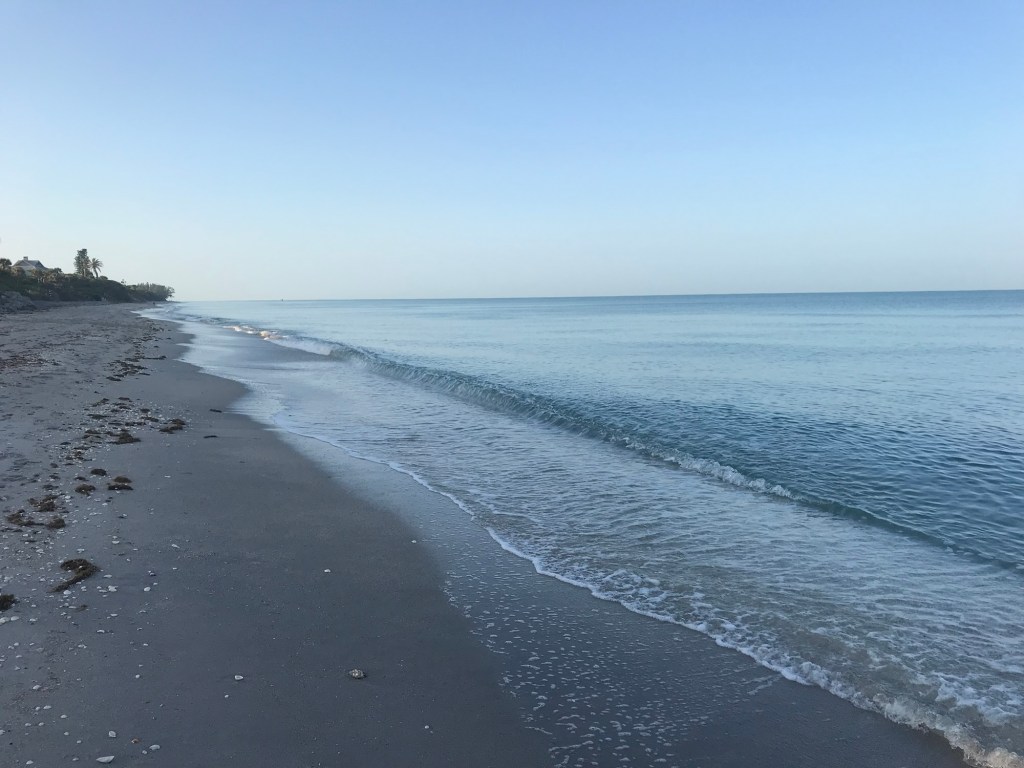
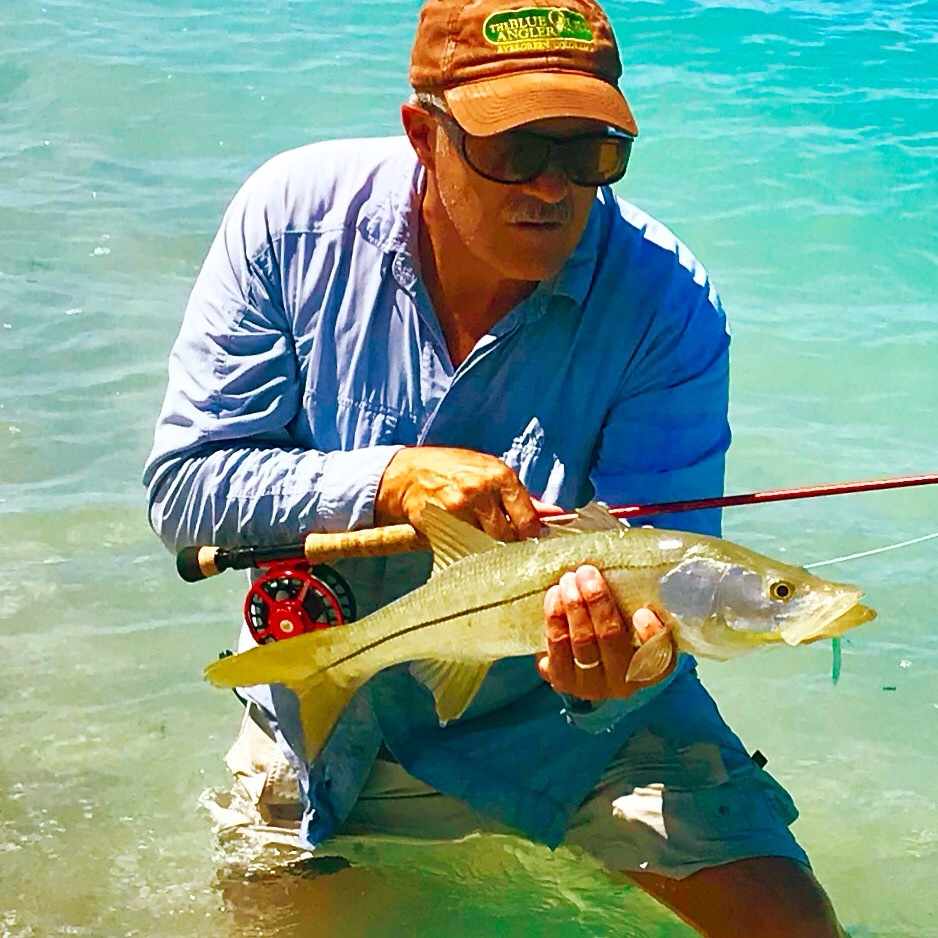
Snook are on the beach and are there to Spawn but they also have to eat, and are often hungry.
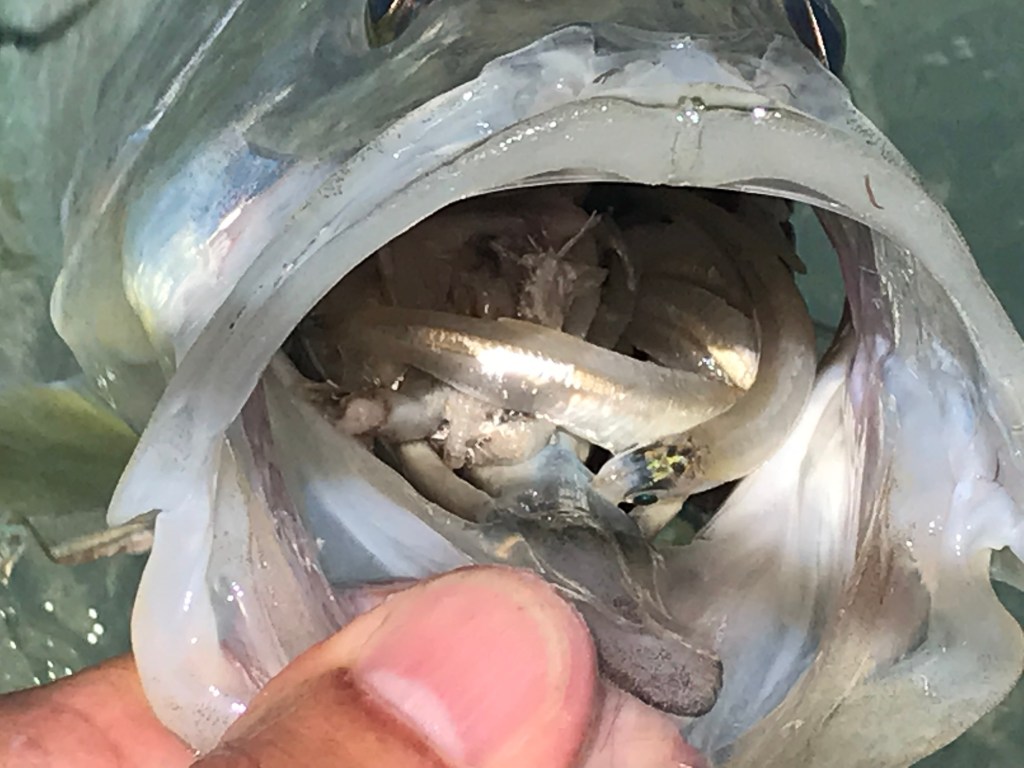
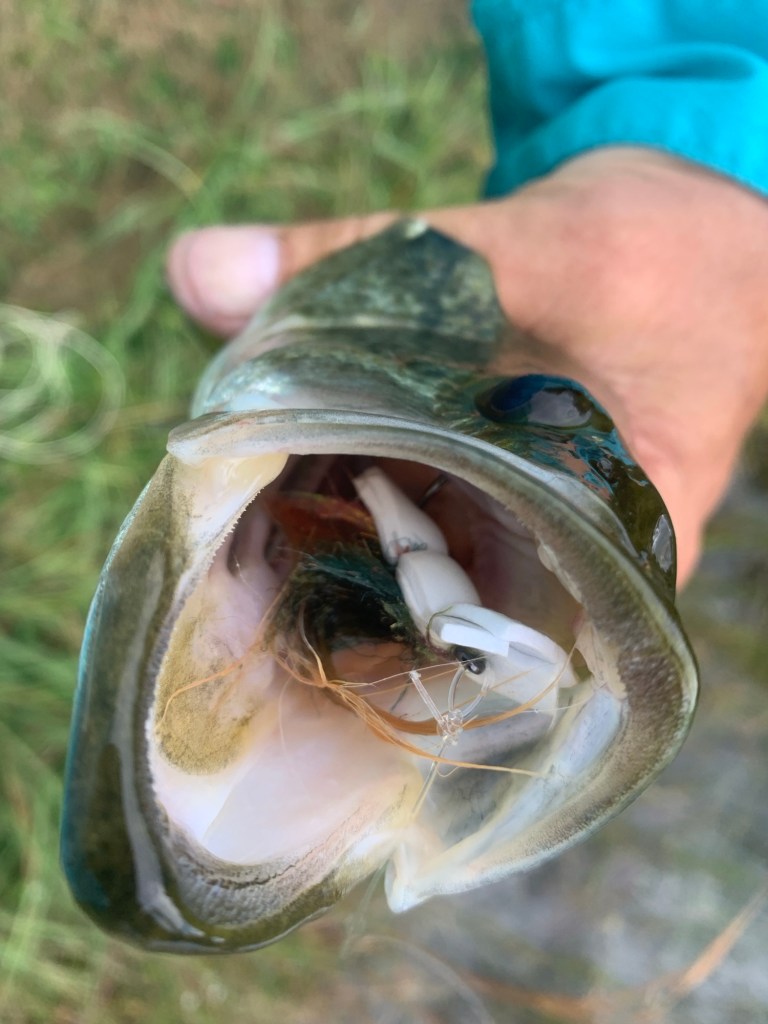
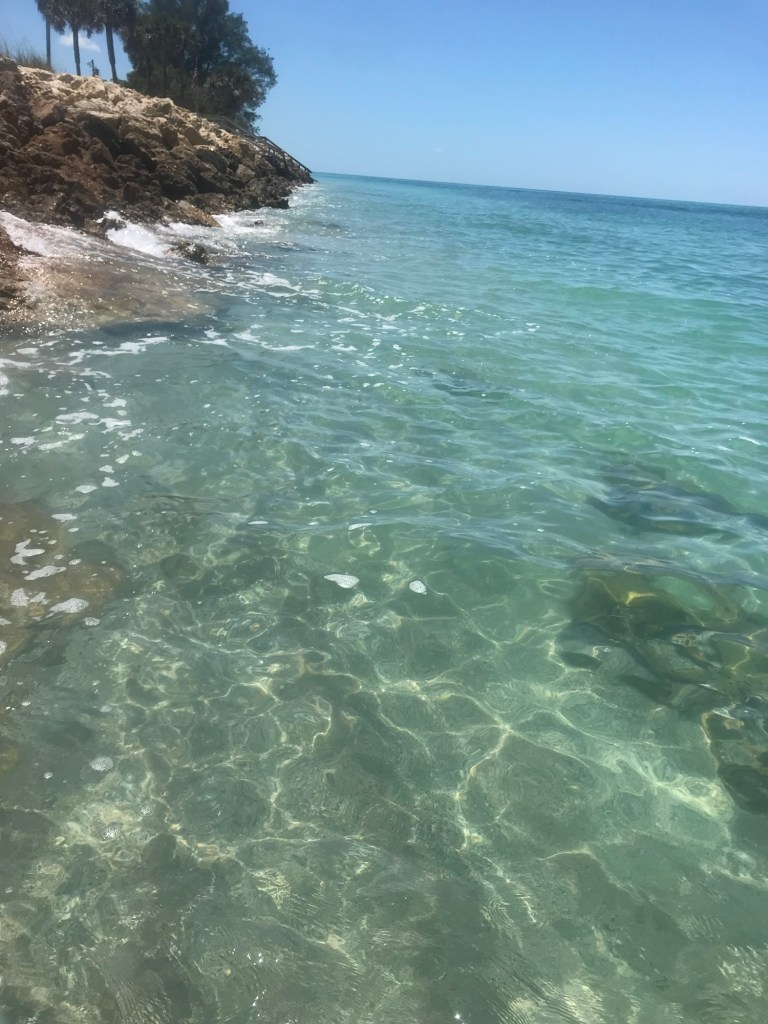
Fishing the inter coastal grass flats areas.
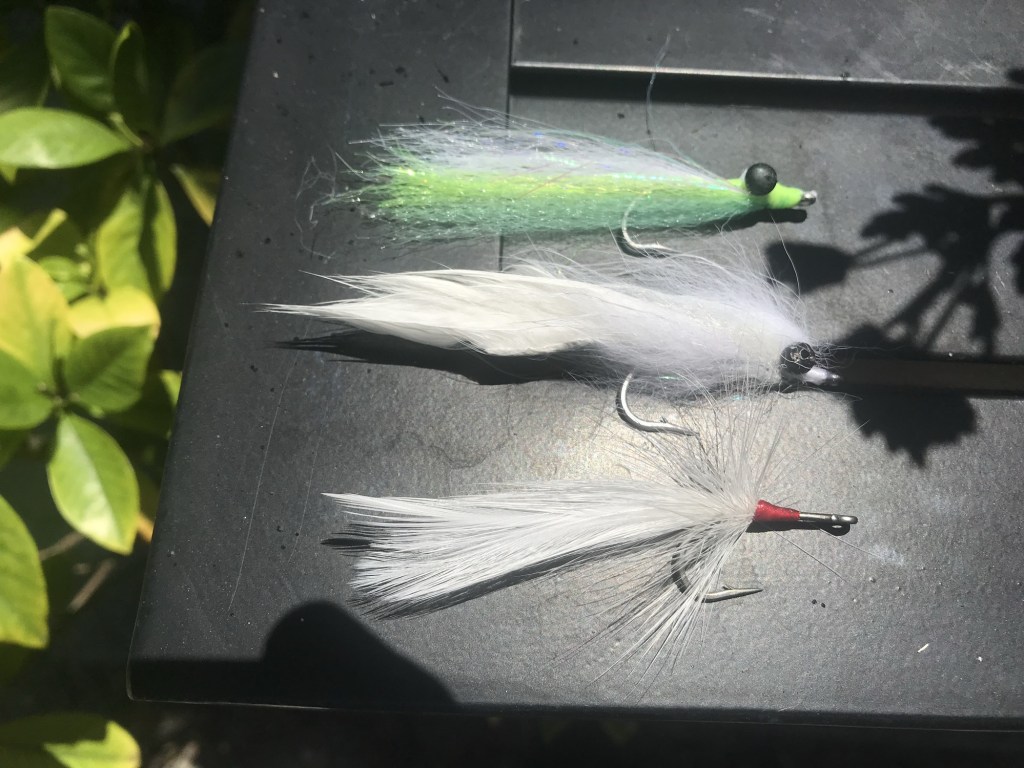
Sea Trout, Redfish , and Snook are the targeted species. I fish primarily baitfish flies.
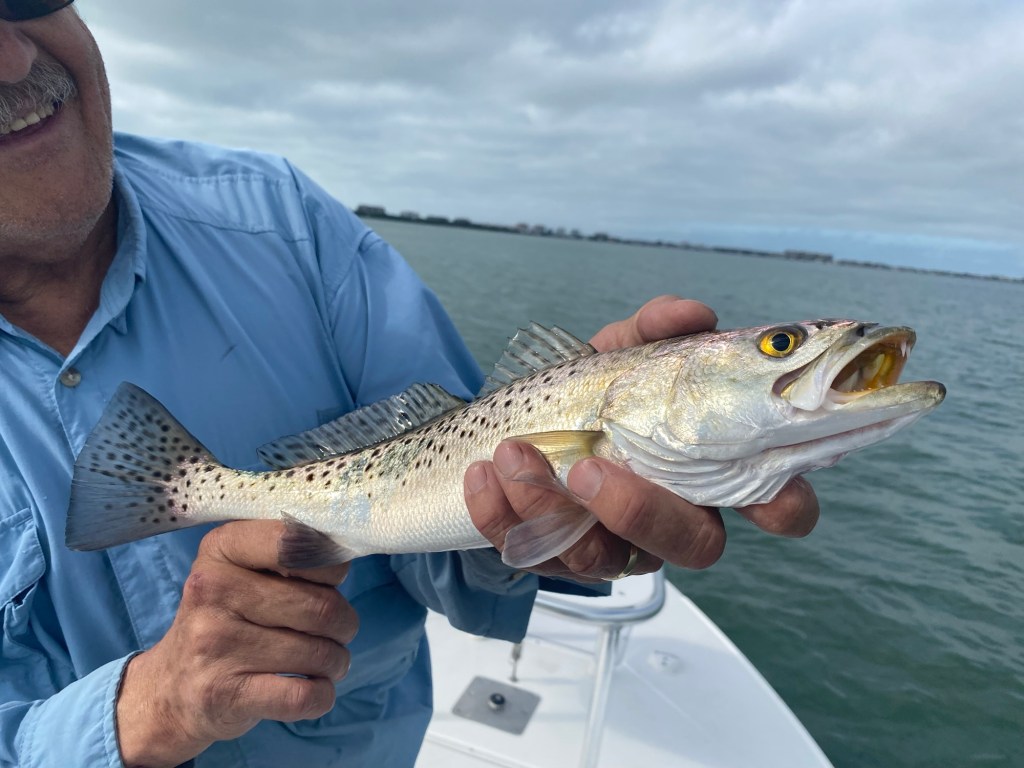
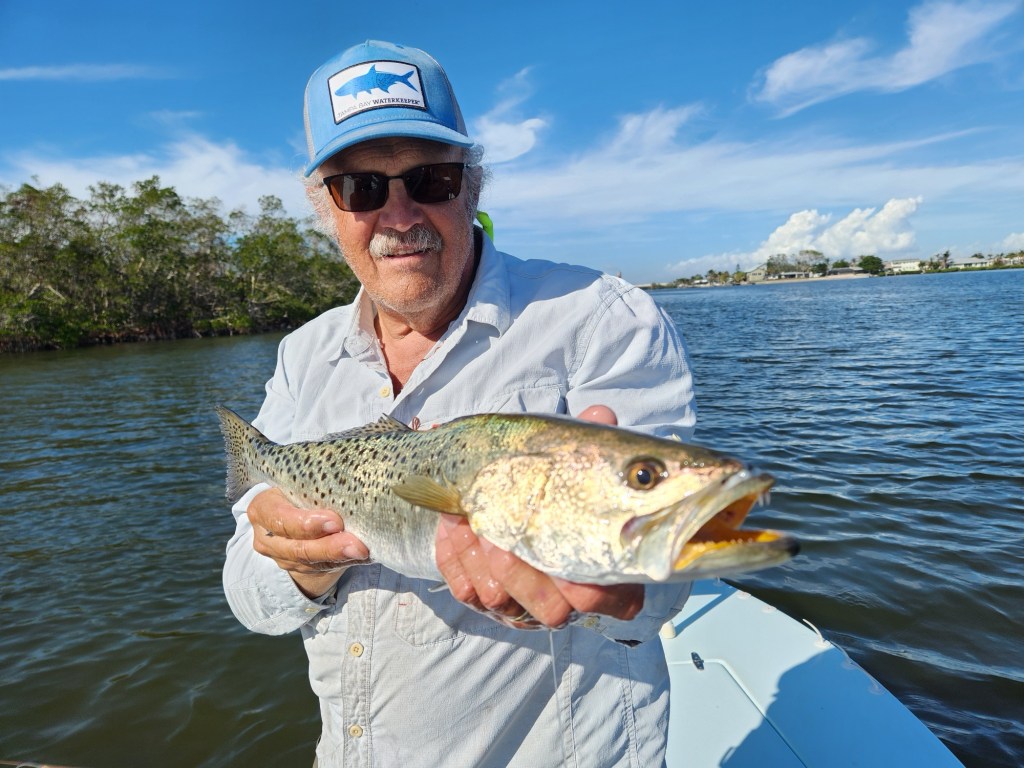
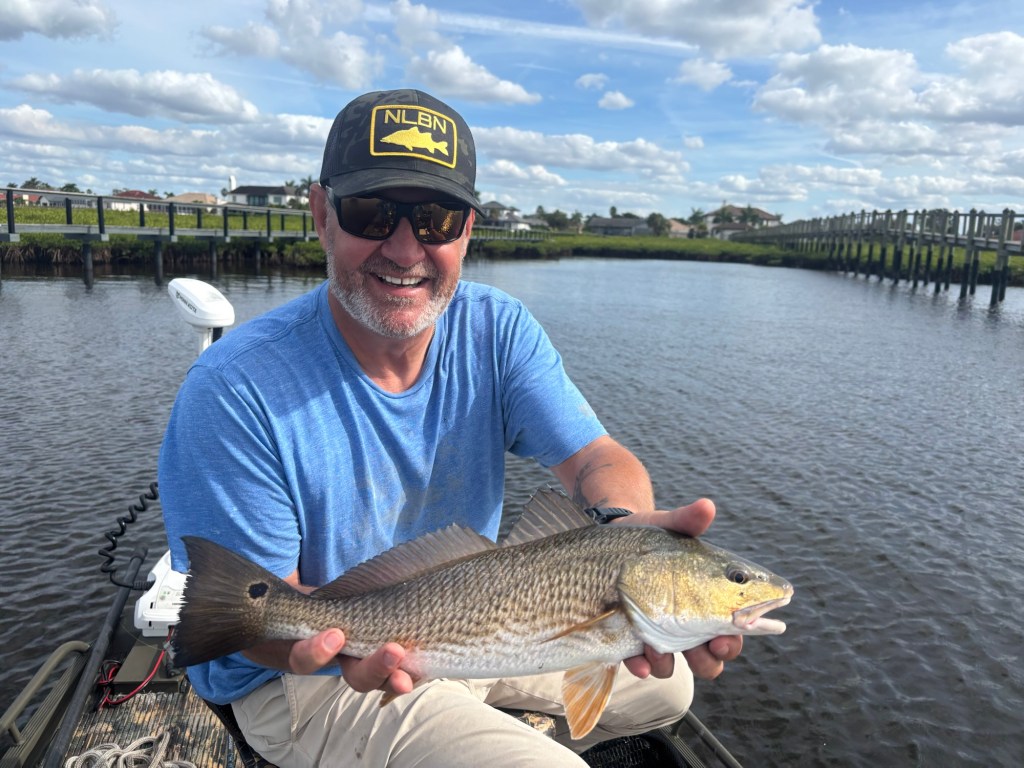
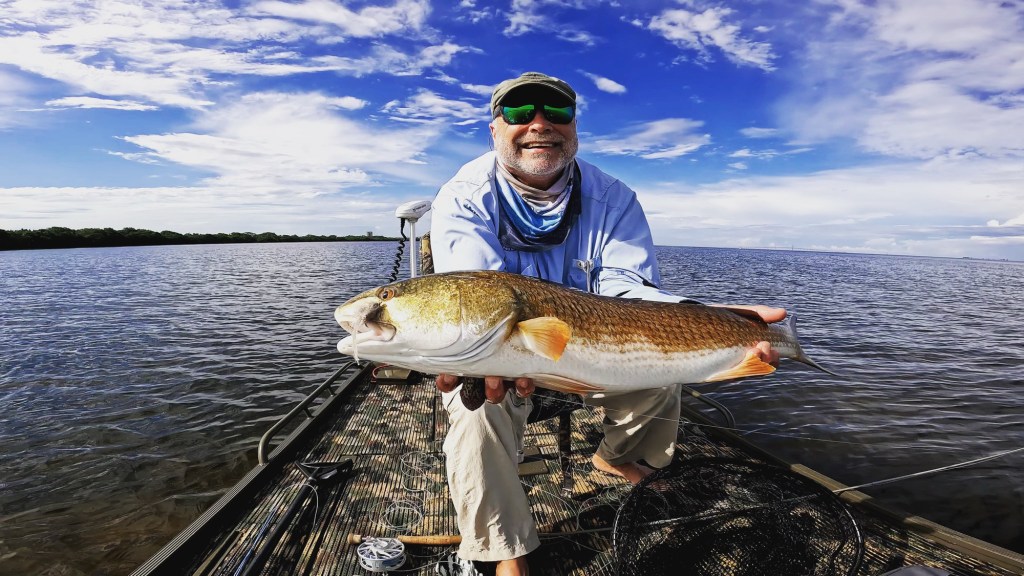
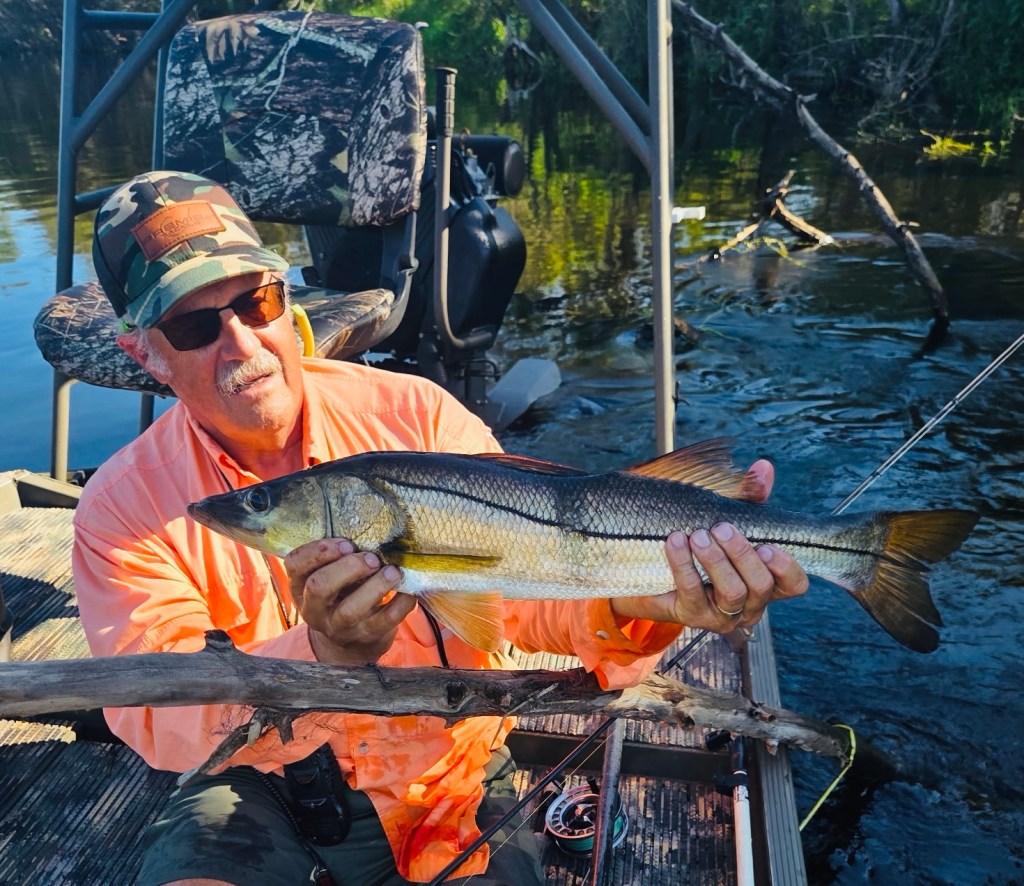
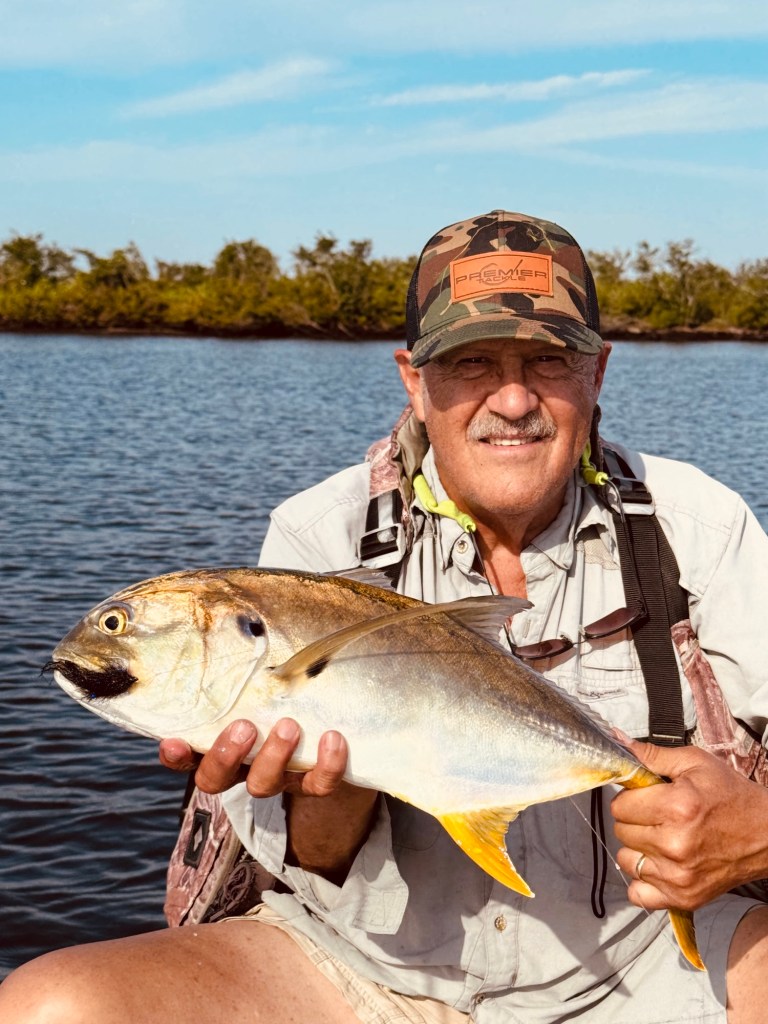
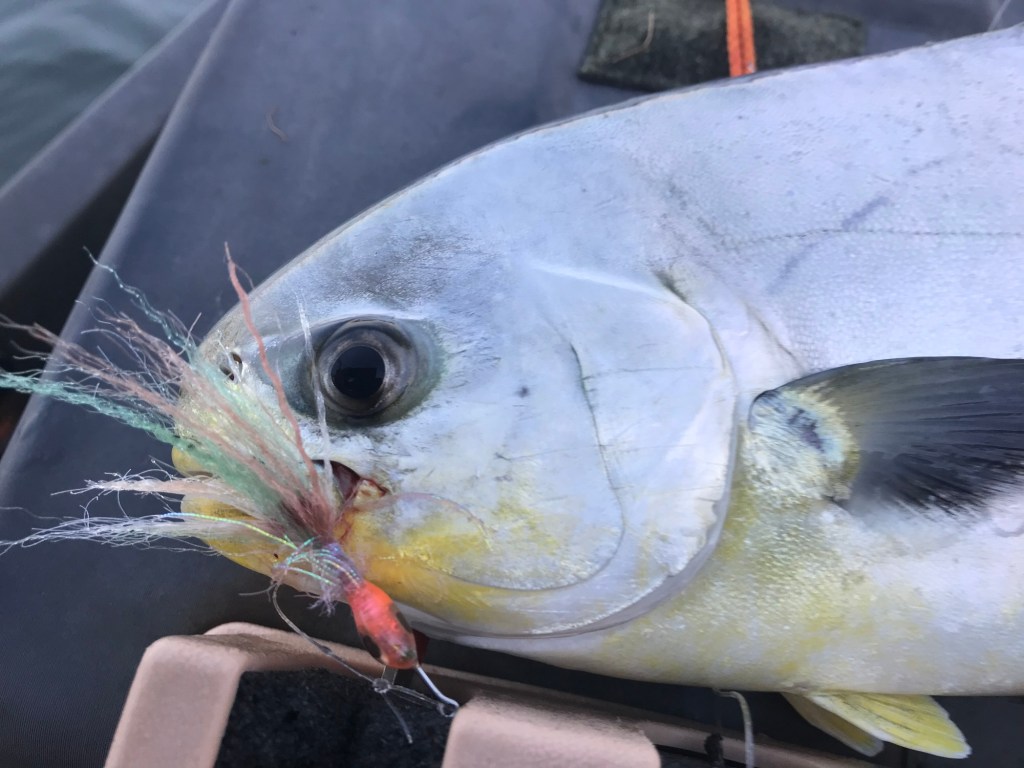
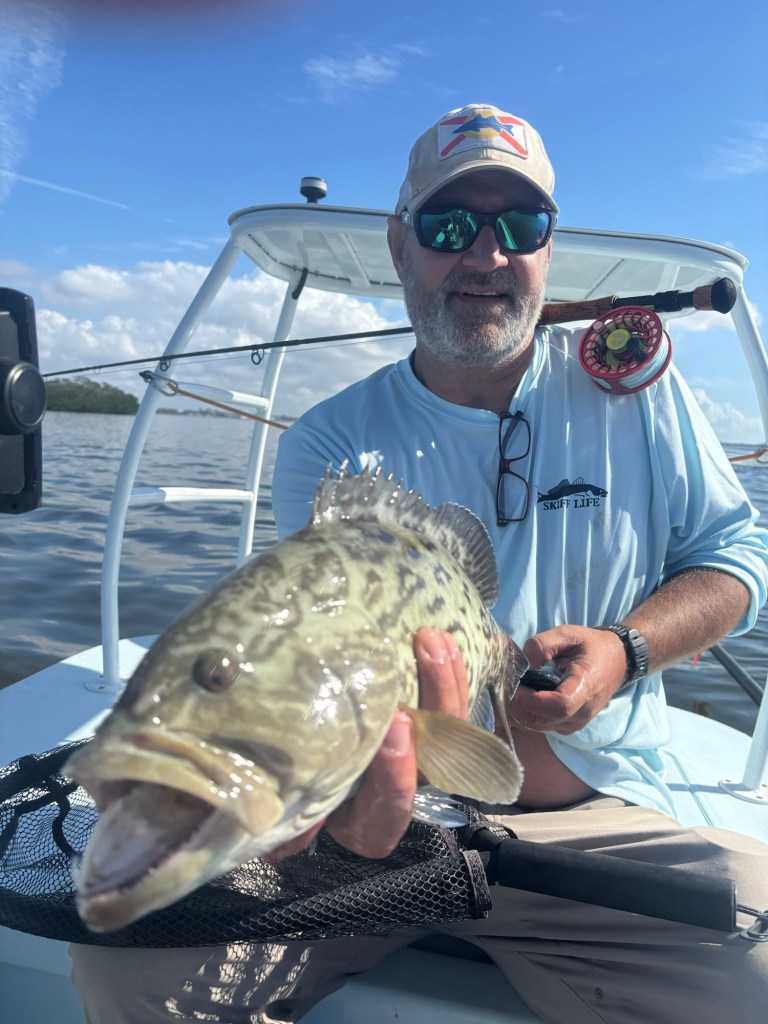
Nice Jack from Manatee River
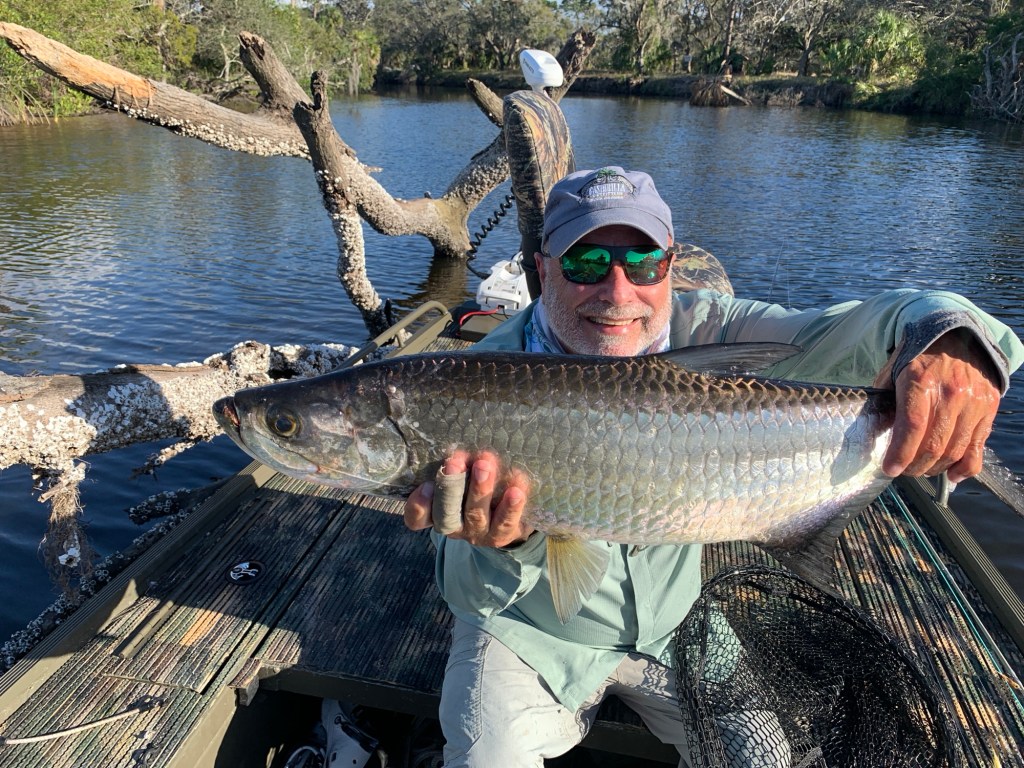
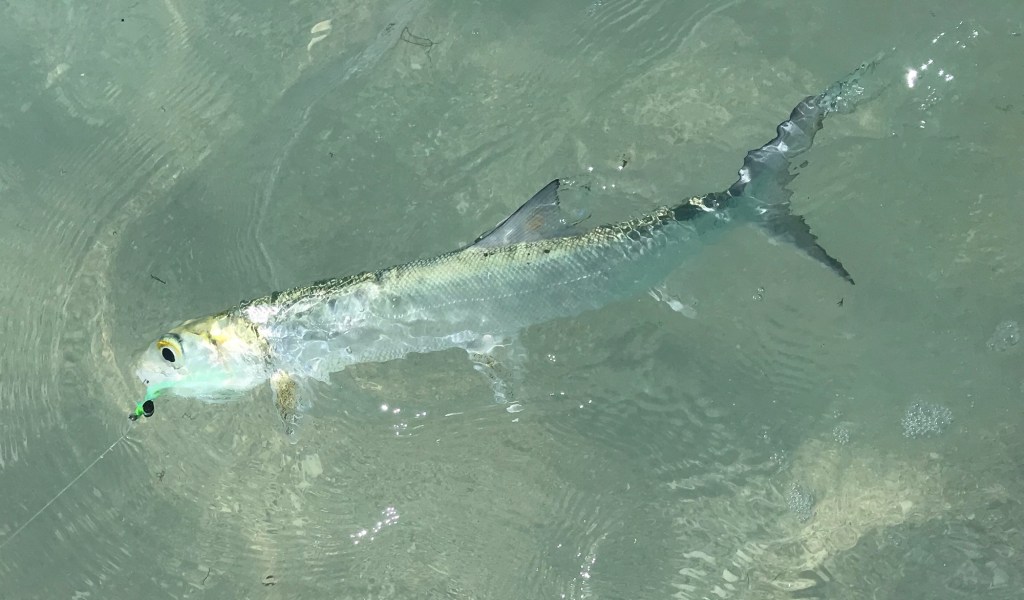
My favorite inshore fish to catch are juvenile Tarpon from 1-30 pounds. They are very acrobatic, eat small minnows, and will shock you with their power.
Juvenile Tarpon hook up
Another Juvenile Tarpon
FLORIDA FRESHWATER FISH
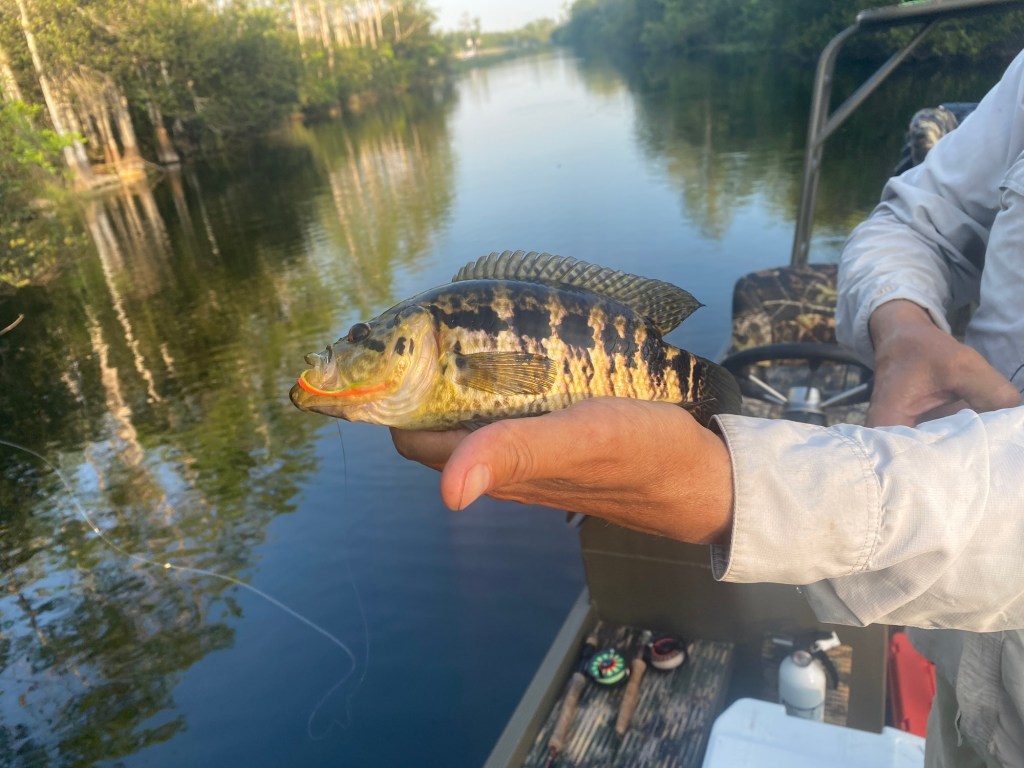
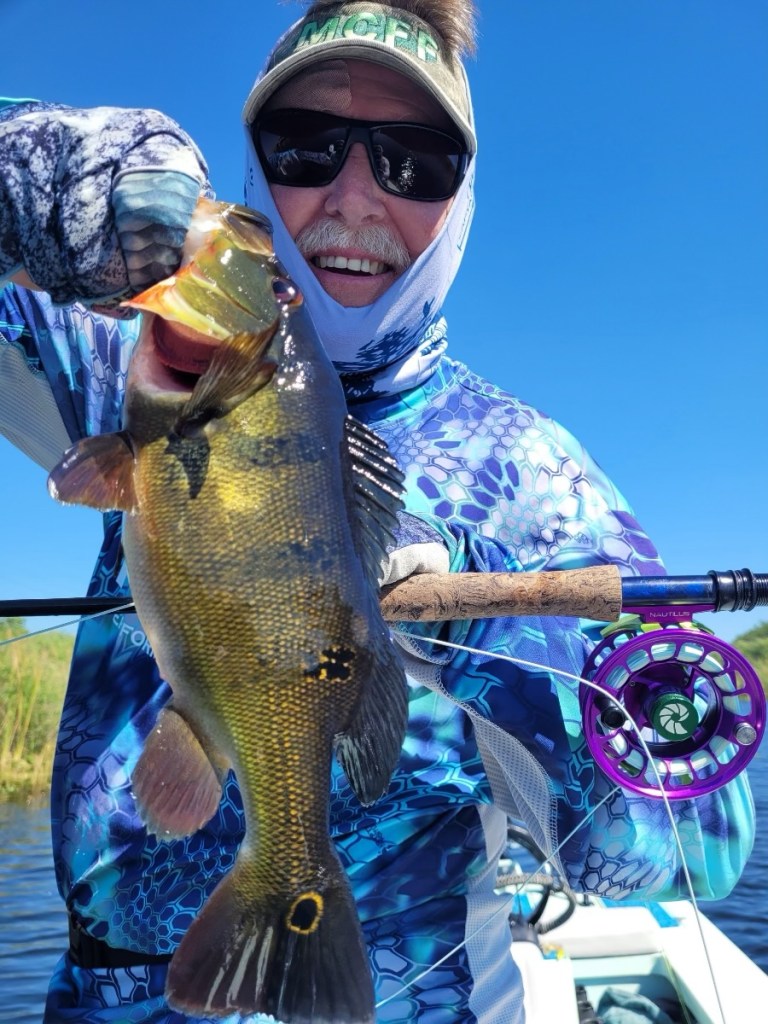
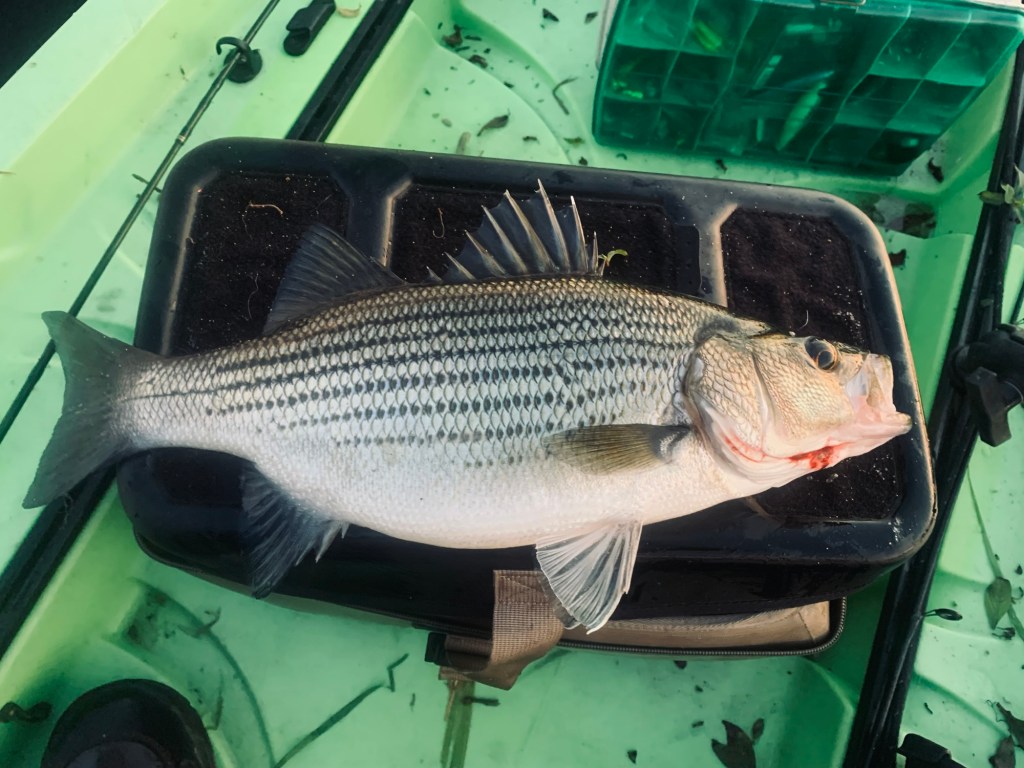
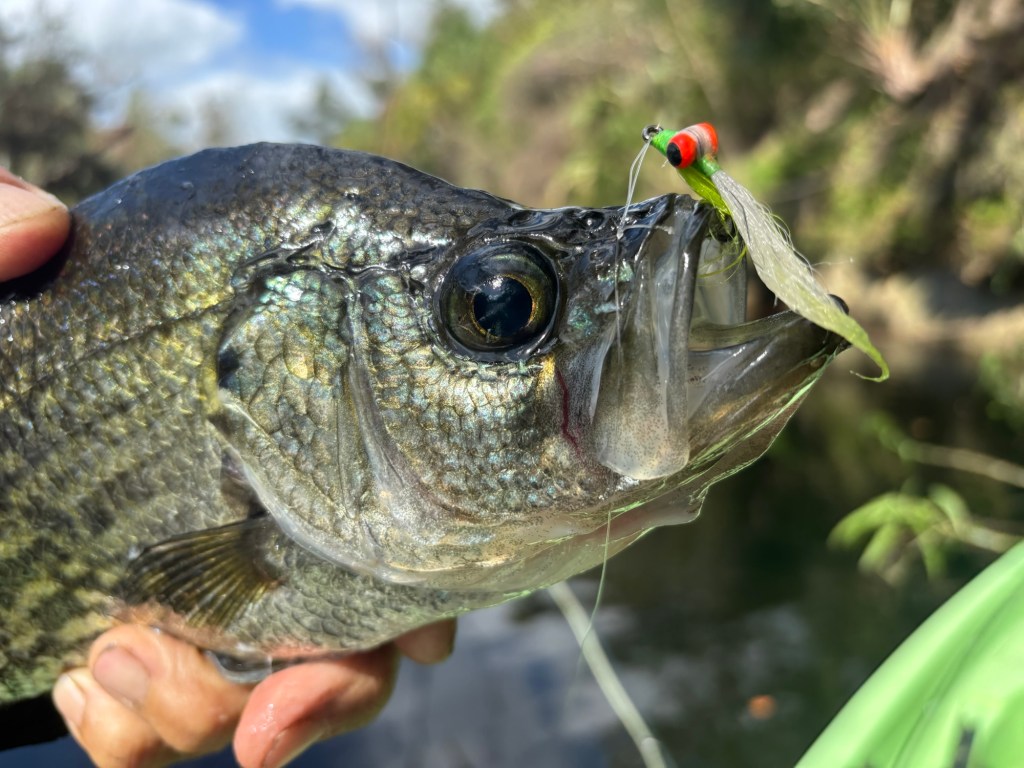
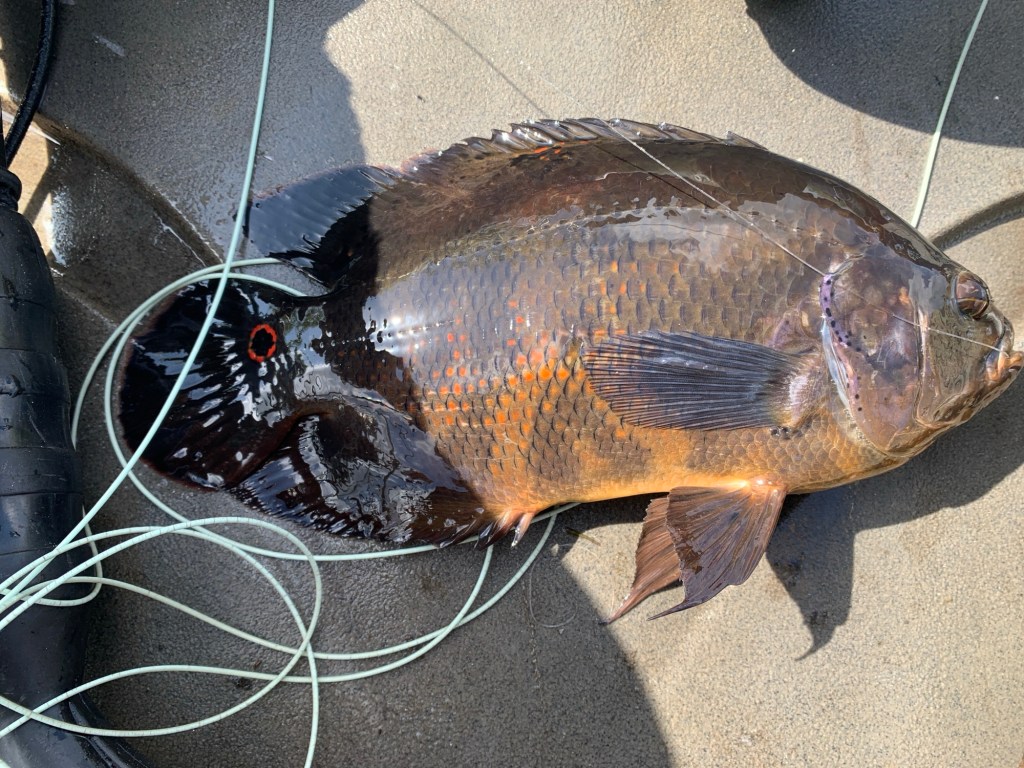
Florida has so many types of fresh water fish, and thousand of ponds and lakes. They can all be caught on the fly.
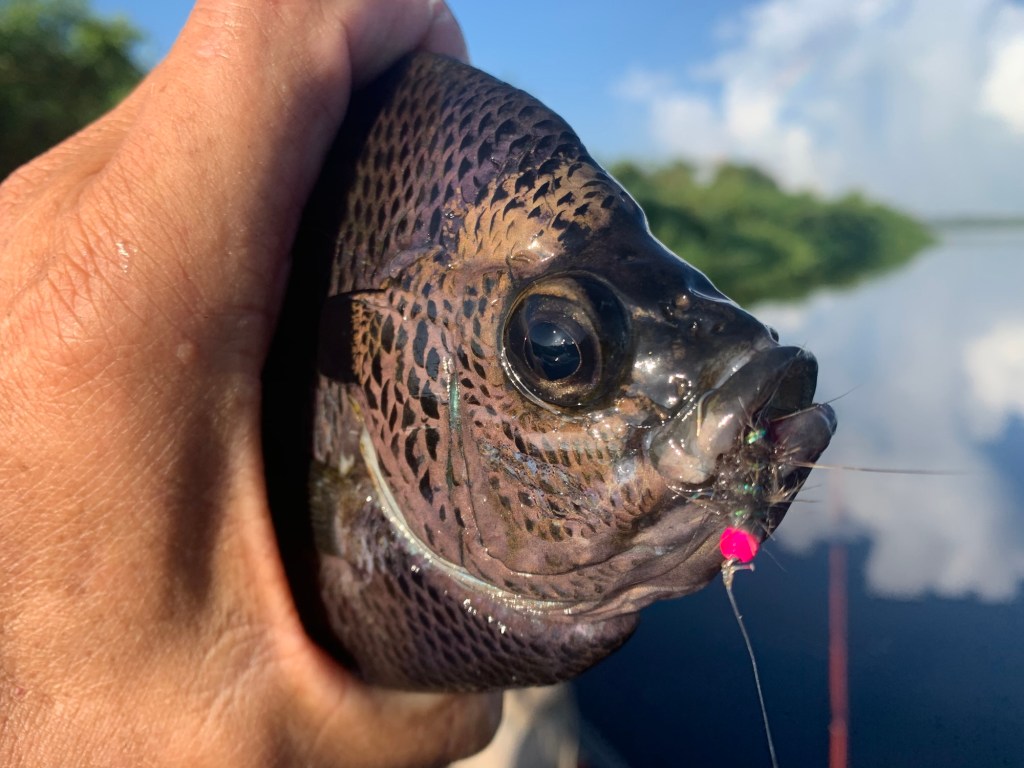
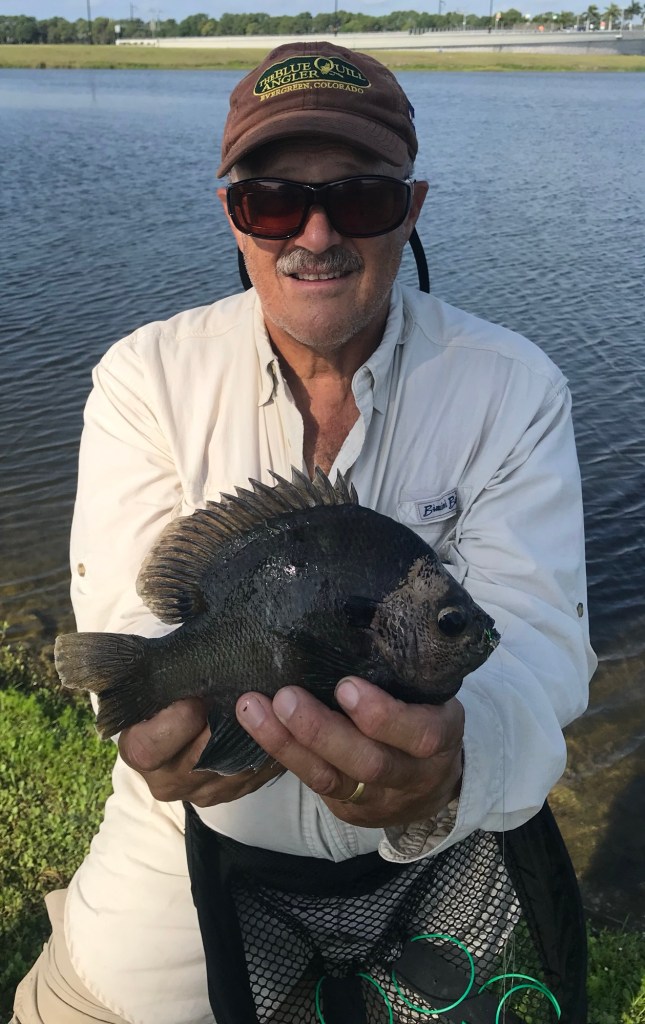
Blue Gill
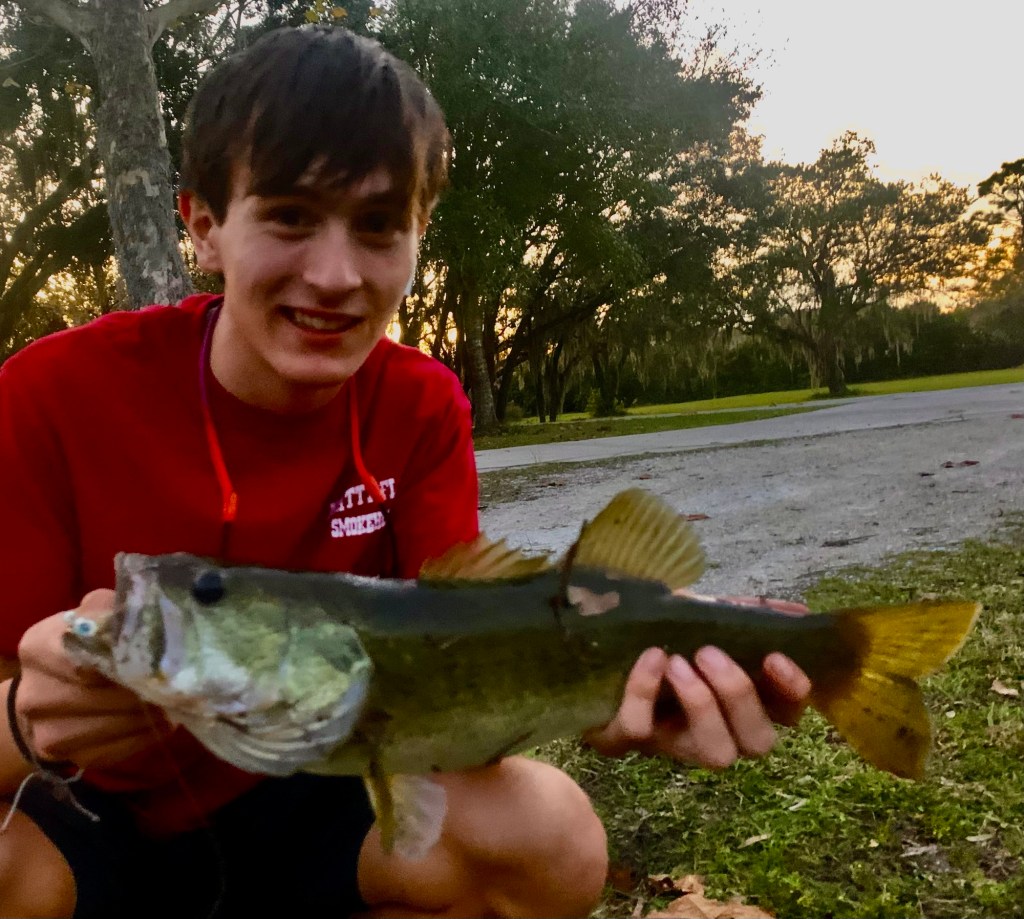
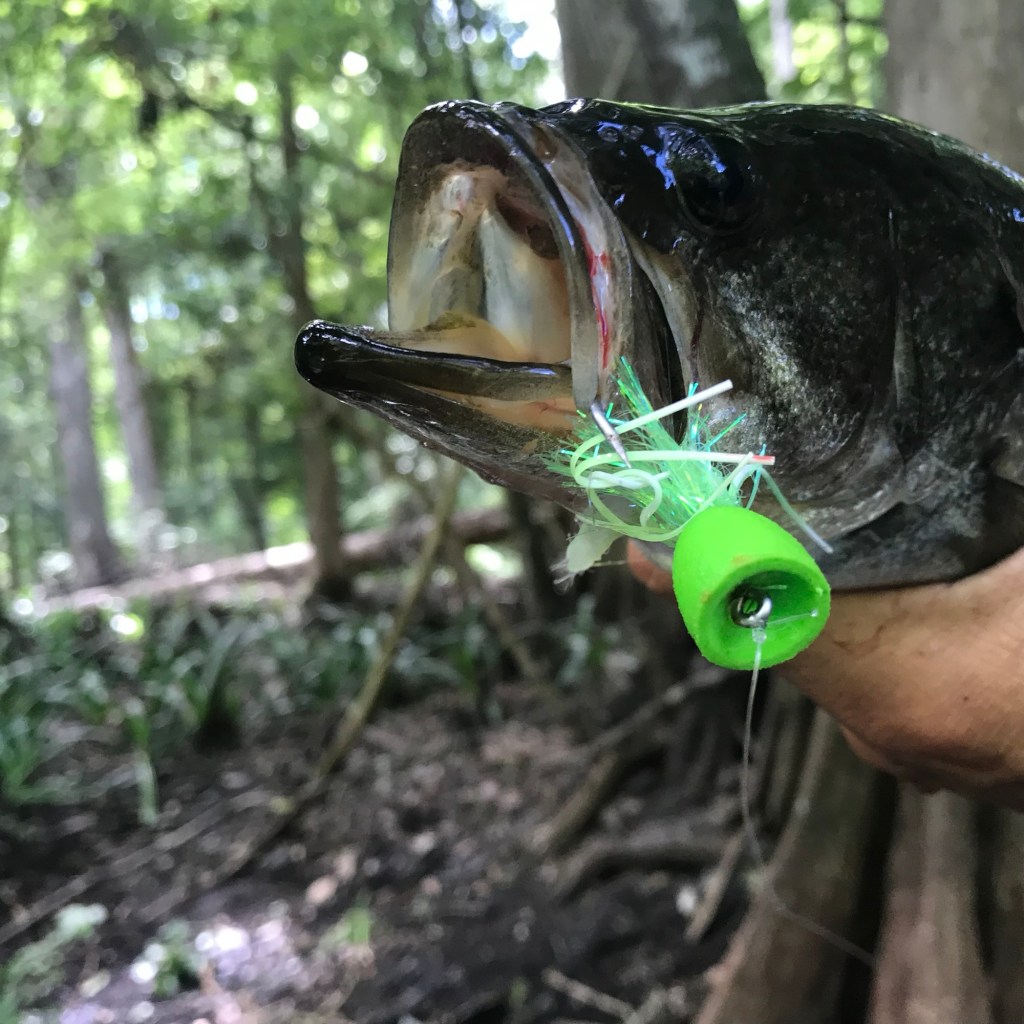
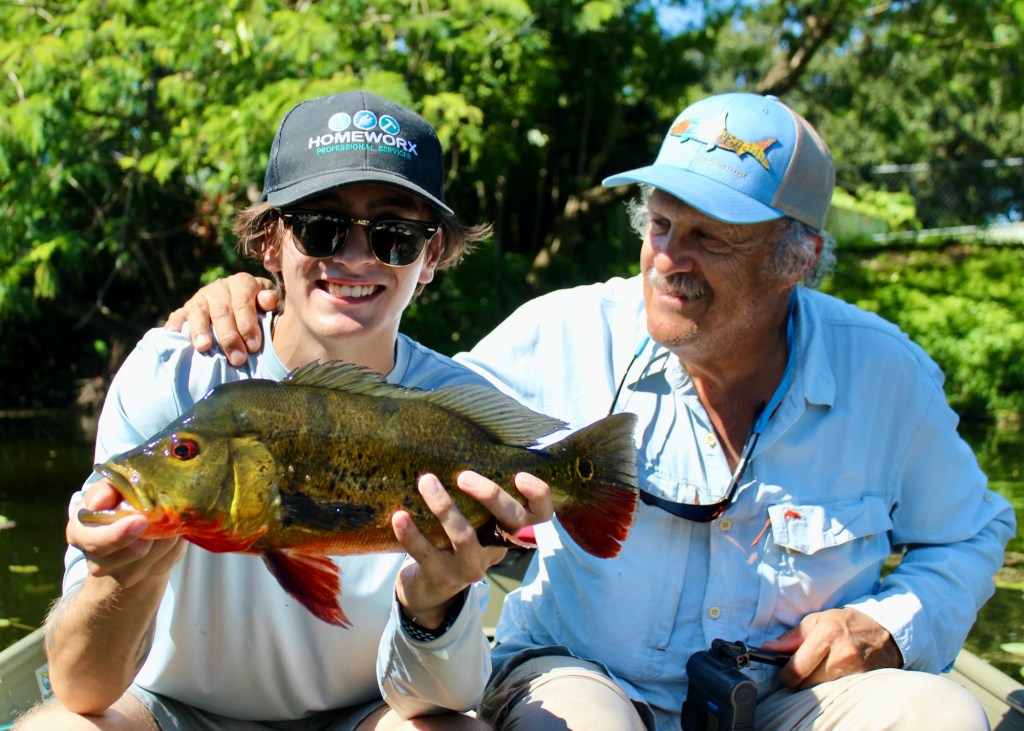
BASS
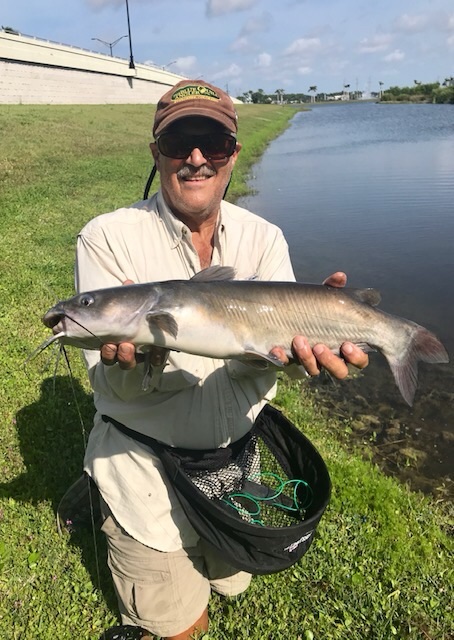
Catfish
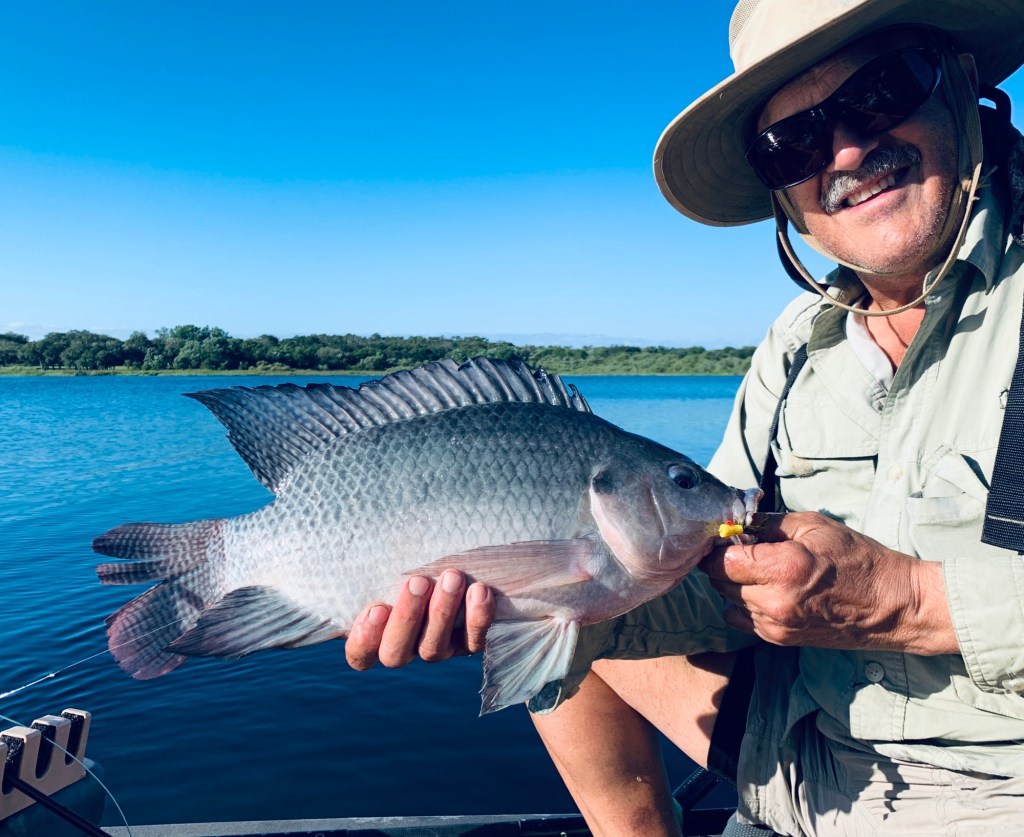
Tilapia
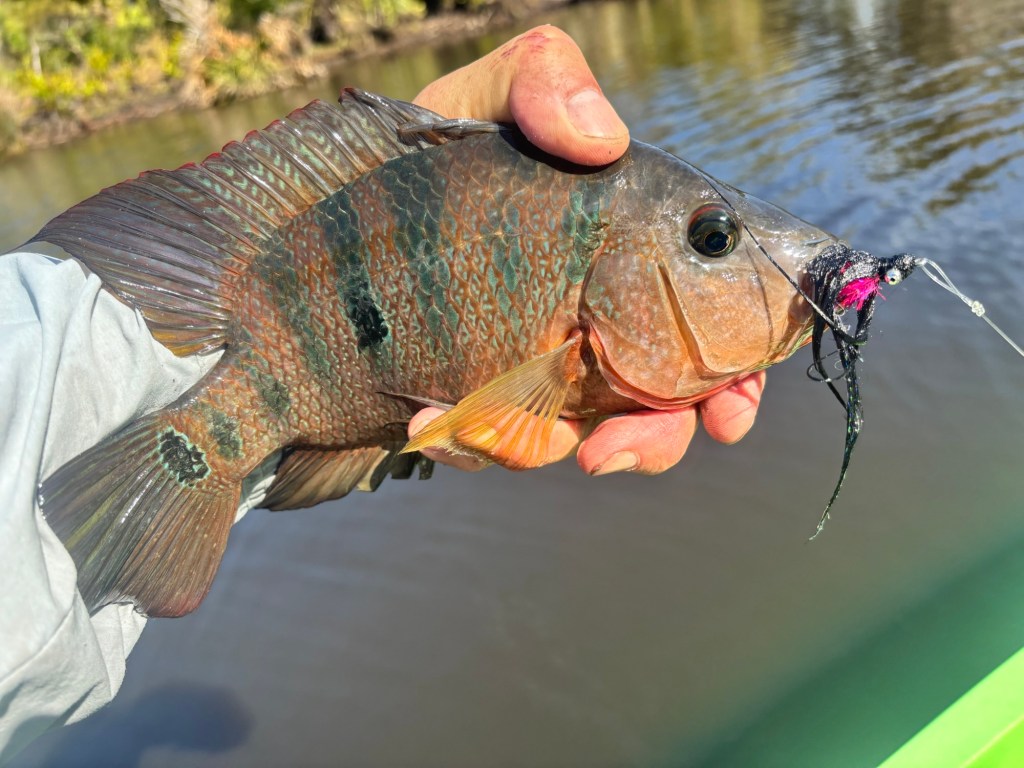
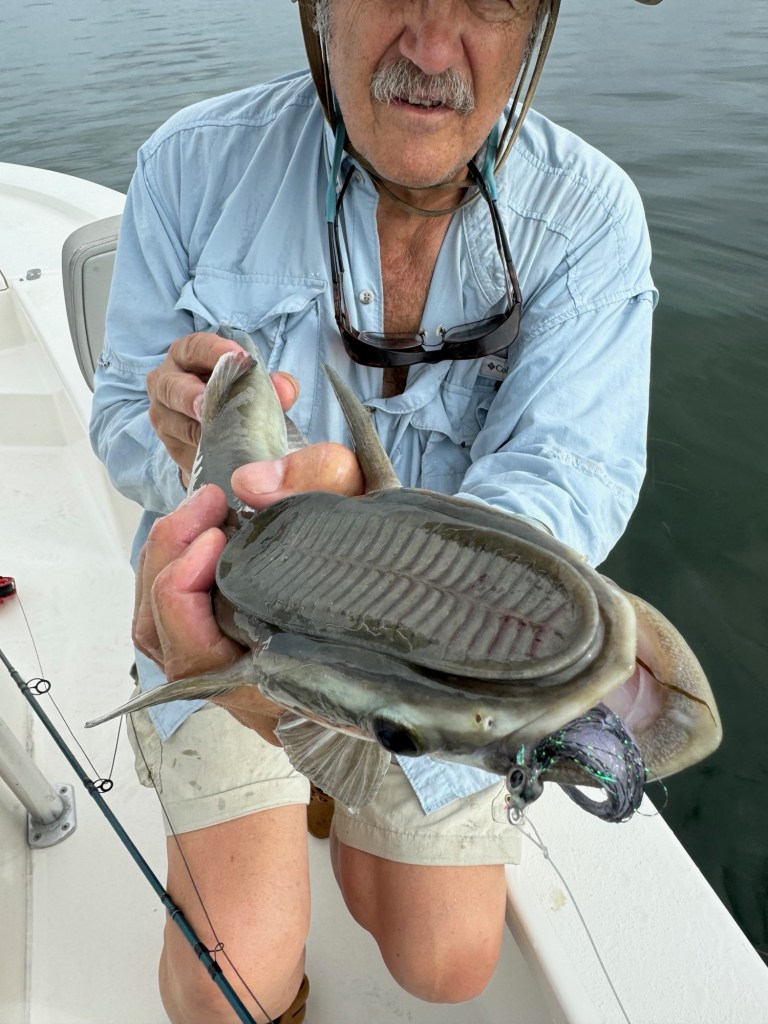
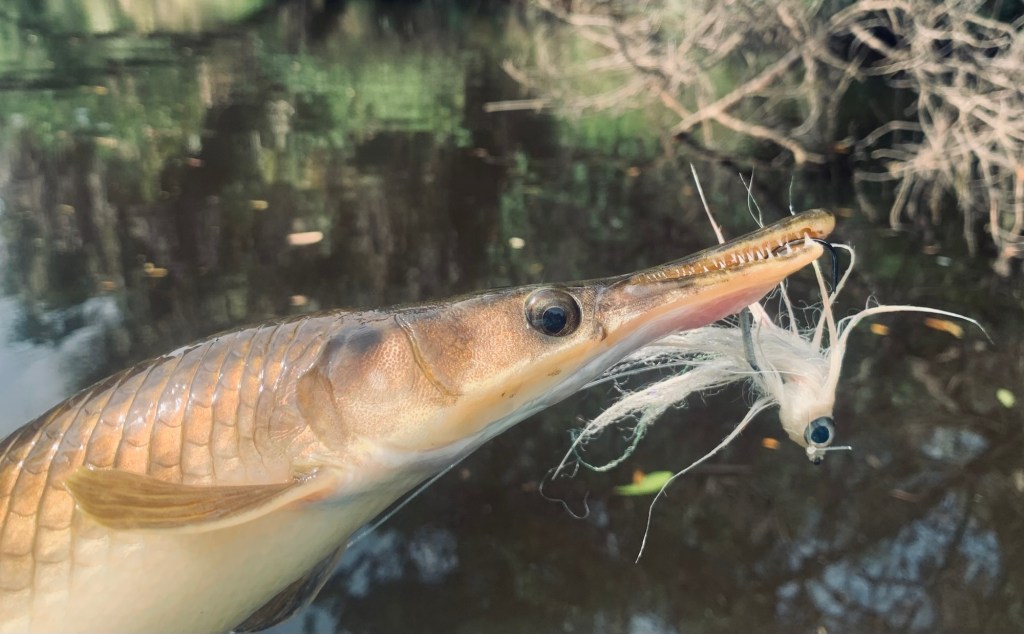
God is so good to put us in such a beautiful place as Florida!!
Jim Cannon- getting saltier every day!

 A COLORADO FLYFISHERMAN GOES SALTY